The German Baltic coast, from Lübeck to Stralsund
Brick towns of the Hanseatic League, seaside resorts with white villas, and peninsulas between the sea and the lagoons. A week on Germany’s Baltic coast, from Lübeck to Stralsund.
Between the sea and the lagoons
The German Baltic coast runs from west to east, from Lübeck to Stralsund. It is a low coast: sandy beaches, pine woods, a few clay cliffs. You go from a red-brick town to a seaside resort with white villas. Most resorts have their Seebrücke, a long pier out over the sea.
At Travemünde, a path follows the Brodten cliff for 4 kilometres. Across the water, on the Priwall, the Passat lies at her moorings: a four-masted ship from 1911 that rounded Cape Horn 39 times. A car ferry crosses the Trave in a few minutes.
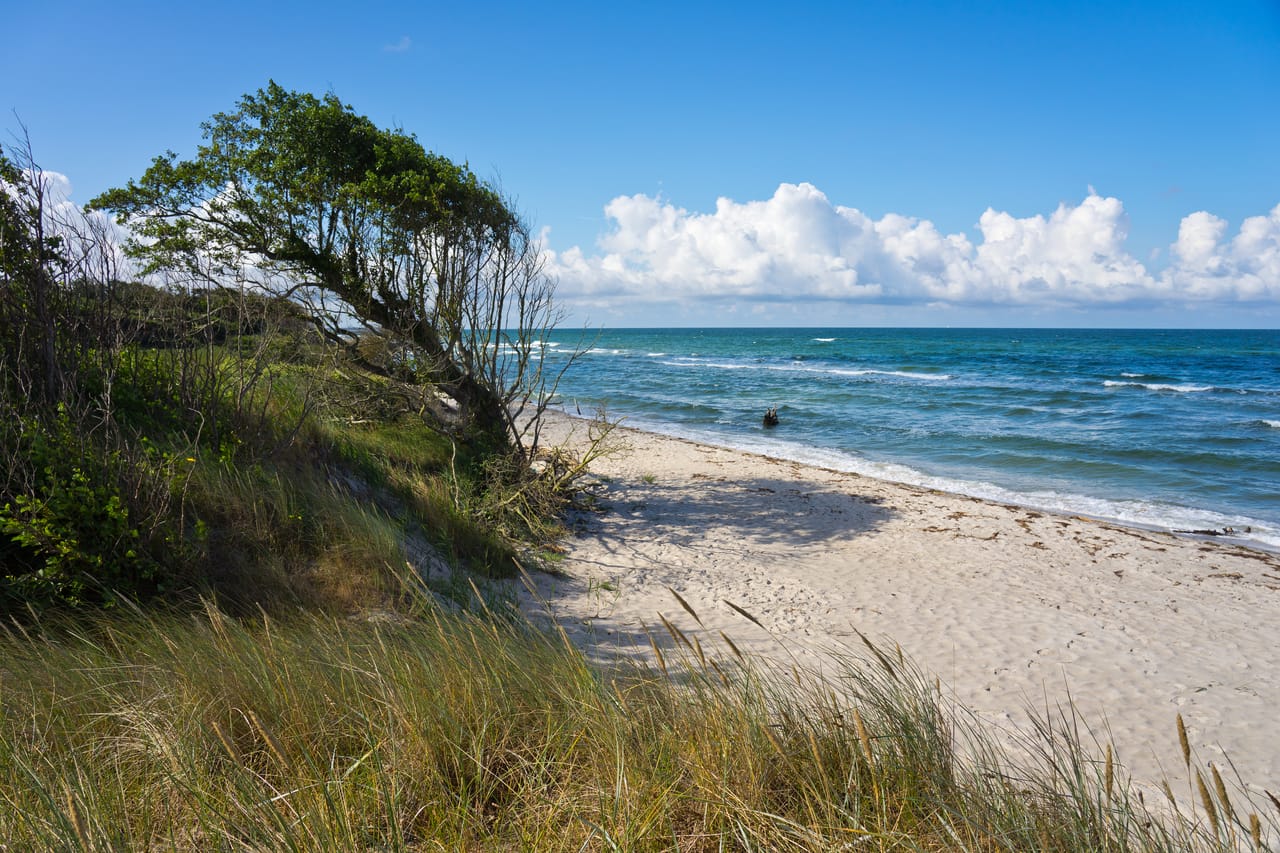
Further east, the Fischland-Darß-Zingst peninsula separates the sea from the Bodden, shallow lagoons. Here you see reed-thatched houses, the painted doors of the old sea captains in Prerow, and the cliff at Ahrenshoop, where painters settled at the end of the 19th century. Between Ahrenshoop and the northern tip, the Darß forest runs down to the Weststrand, a wild beach about 14 kilometres long. The forest and the beach are part of the Vorpommersche Boddenlandschaft National Park; you reach them on foot or by bike from the car parks. In autumn, tens of thousands of common cranes spend the night in the lagoons.
The Hanseatic towns
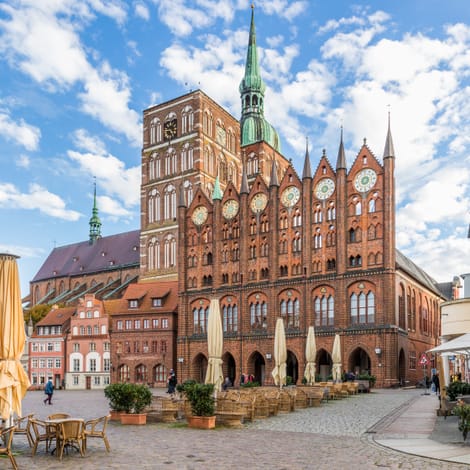
In the Middle Ages, Lübeck, Wismar, Rostock and Stralsund belonged to the Hanseatic League, an alliance of merchant towns that dominated trade on the Baltic and the North Sea. In a region short of stone, they built everything in brick. Their wealth still shows in their churches and town halls. In Stralsund, the town hall has a show façade: a tall gabled wall, pierced with openings, that rises above the roof and faces the Old Market Square.
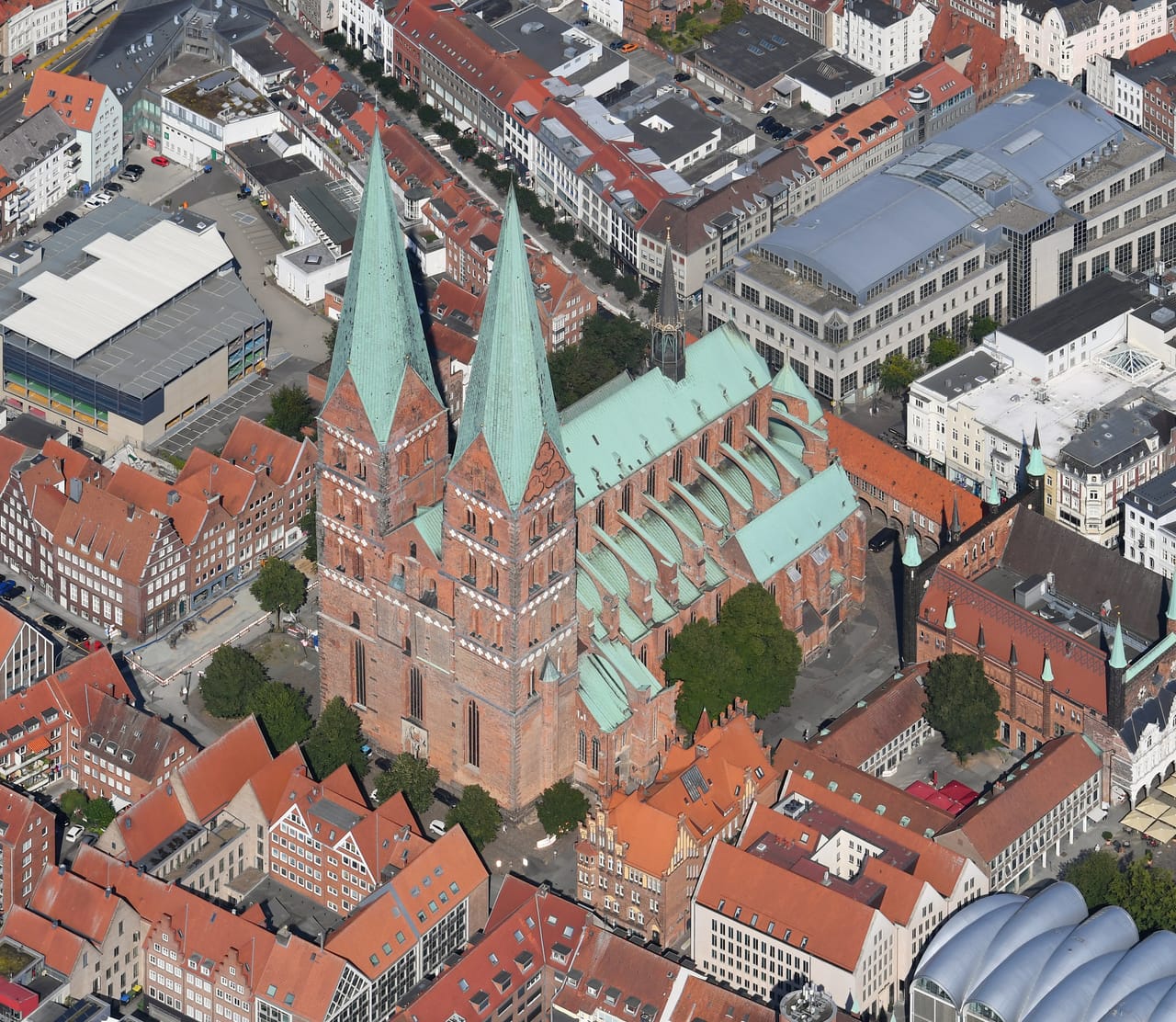
Lübeck’s Marienkirche, completed around 1351, served as the model for some seventy brick churches around the Baltic. Its vault rises to 38.5 metres. The Holstentor, the town gate completed in 1478, is the emblem of Lübeck. In Rostock, the Marienkirche houses an astronomical clock from 1472 that still works. Lübeck has been on the World Heritage List since 1987, Wismar and Stralsund since 2002.
From 1648 to the early 19th century, Wismar and Stralsund belonged to Sweden. In 1803, Sweden pledged Wismar to Mecklenburg; it only gave it up for good in 1903.
Their wealth still shows in their churches and town halls.
Heiligendamm and sea bathing
In 1793, the Duke of Mecklenburg founded Heiligendamm, Germany’s oldest seaside resort. Its row of white villas facing the beach earned it the nickname “the white town by the sea”. Kühlungsborn, Warnemünde and Zingst followed, with their balconied villas.
To bring in the bathers, a small steam train linked Bad Doberan to Heiligendamm from 1886, then to what is now Kühlungsborn in 1910. The Molli still runs, all year round. In Bad Doberan, it goes right down the street, between the houses. The easiest thing is to park the van and take the train.
The Königsstuhl
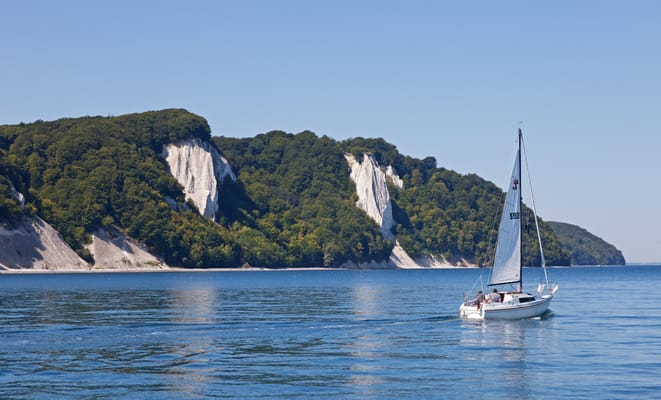
A white chalk cliff 118 metres high, in Jasmund National Park, whose beech forest is a World Heritage site. Since 2023, a walkway has run above the cliff. You park at Hagen, then take the shuttle or walk 3 kilometres.
Practical notes
- When to go
- June to August for the beach, but the resorts are full. May and September are quieter; October is crane season.
- Getting there
- Lübeck is an hour from Hamburg. Stralsund is about three hours from Berlin.
- Access
- Everything is tarmac and open to motorhomes. No tolls, apart from two toll tunnels in Lübeck and Rostock. The bridge linking Zingst to the mainland, on the Barth side, opens at times to let boats through.
- Sleeping in a van
- Campsites and aires all along the coast. In Mecklenburg-Western Pomerania, sleeping in a van anywhere else is forbidden, and many beach car parks are closed to motorhomes at night.
- Worth knowing
- A tourist tax (Kurtaxe) is charged in most seaside resorts.
- Allow
- Six days, plus one more day for the island of Rügen.
What not to miss
- 1Schloss BothmerThe largest Baroque palace in Mecklenburg, and its avenue of lime trees trained into arches.
- 2WismarThe Market Square and the Wassertor, the old harbour gate, filmed in Nosferatu in 1922.
- 3The Kühlungsborn watchtowerAn East German border guard tower, right by the beach.
- 4Bad Doberan MinsterThe church of a former Cistercian monastery, with almost all its medieval furnishings.
- 5The Warnemünde lighthouseA lighthouse from 1898 beside the beach, which you can climb in season.
- 6The Ozeaneum in StralsundThe museum of the sea, on the harbour, voted European Museum of the Year in 2010.
The German Baltic coast in pictures
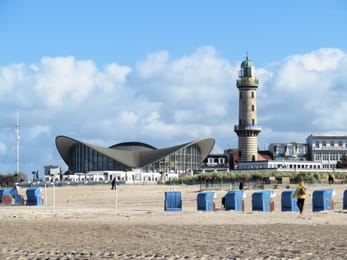
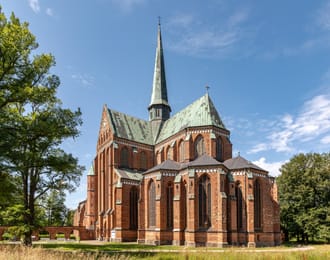
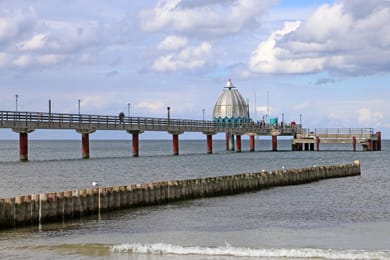
Warnemünde lighthouse and the Teepott, seen from the beach.
The Baltic table
Lübeck is the town of marzipan, made by the Niederegger firm since 1806. In the harbours, people eat Fischbrötchen, bread rolls filled with pickled herring or smoked fish. Sea buckthorn, an orange berry, is drunk as juice or eaten as jam.
For dessert, Rote Grütze is a compote of red berries served with cream. In Stralsund, the Störtebeker brewery is named after a legendary pirate. On the coast, people drink Köm, a caraway spirit.
Lübeck → Stralsund


 +21stops
- 1Holstentor · Marienkirche Lübeck · Heiligen-Geist-Hospital in Lübeck · Europäisches Hansemuseum
- 2Brodtener Ufer · Leuchtturm Travemünde · Museumsschiff Passat · Schloss Bothmer
- 3Wismar · Wassertor · Molli Museum · Seebrücke Kühlungsborn
Free, no account needed — start from its places and make it yours.
Also worth reading
Wide open spaces
The Pacific Northwest, from the Olympic Peninsula to the Cascade volcanoes
Rainforests, a coast of headlands and lighthouses, redwoods and two active volcanoes. A two-week loop from Seattle, by way of the Olympic Peninsula, the Oregon coast and Mount Rainier.
Wide open spaces
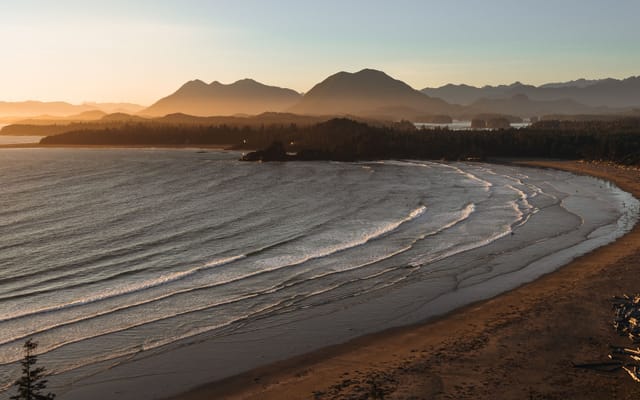
Vancouver Island, from Victoria to the beaches of Tofino
An island of giant forests, beaches pounded by the Pacific and small harbours where boats leave to see orcas. Nine days on a loop from Victoria, from Port Renfrew to Tofino and up to Telegraph Cove.
Wide open spaces
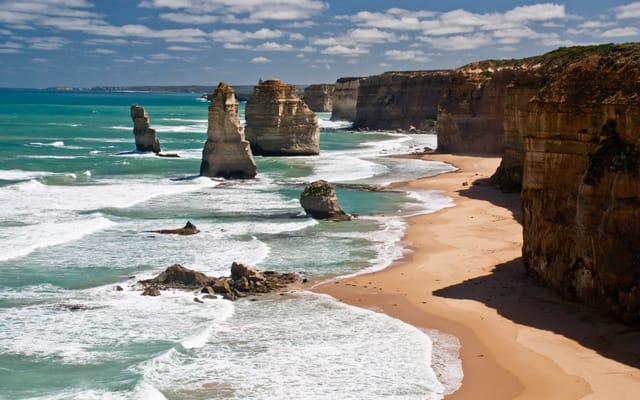
The Great Ocean Road, from Melbourne to Port Fairy
A road cut into the cliffs of southern Australia, between surf beaches, rainforest and limestone stacks. Five days from Melbourne to Port Fairy, sleeping by the sea.
A starting point, a few wishes — ViaLooma builds the trip day by day, map, stops and roadbook included.