The Great Ocean Road, from Melbourne to Port Fairy
A road cut into the cliffs of southern Australia, between surf beaches, rainforest and limestone stacks. Five days from Melbourne to Port Fairy, sleeping by the sea.
A road between the ocean and the forest
The Great Ocean Road runs along the south coast of Victoria, west of Melbourne. It starts at Torquay, the surf town, passes near Bells Beach, then follows the cliffs to the white lighthouse at Split Point and on to Lorne. Traffic drives on the left: heading west, your lane is on the sea side, so you can pull into the lookouts without crossing the road.
Between Lorne and Apollo Bay, the road is cut into the cliff. At Kennett River, koalas sleep in the eucalyptus trees. Then the road enters the rainforest of the Otways, with its tree ferns and waterfalls.
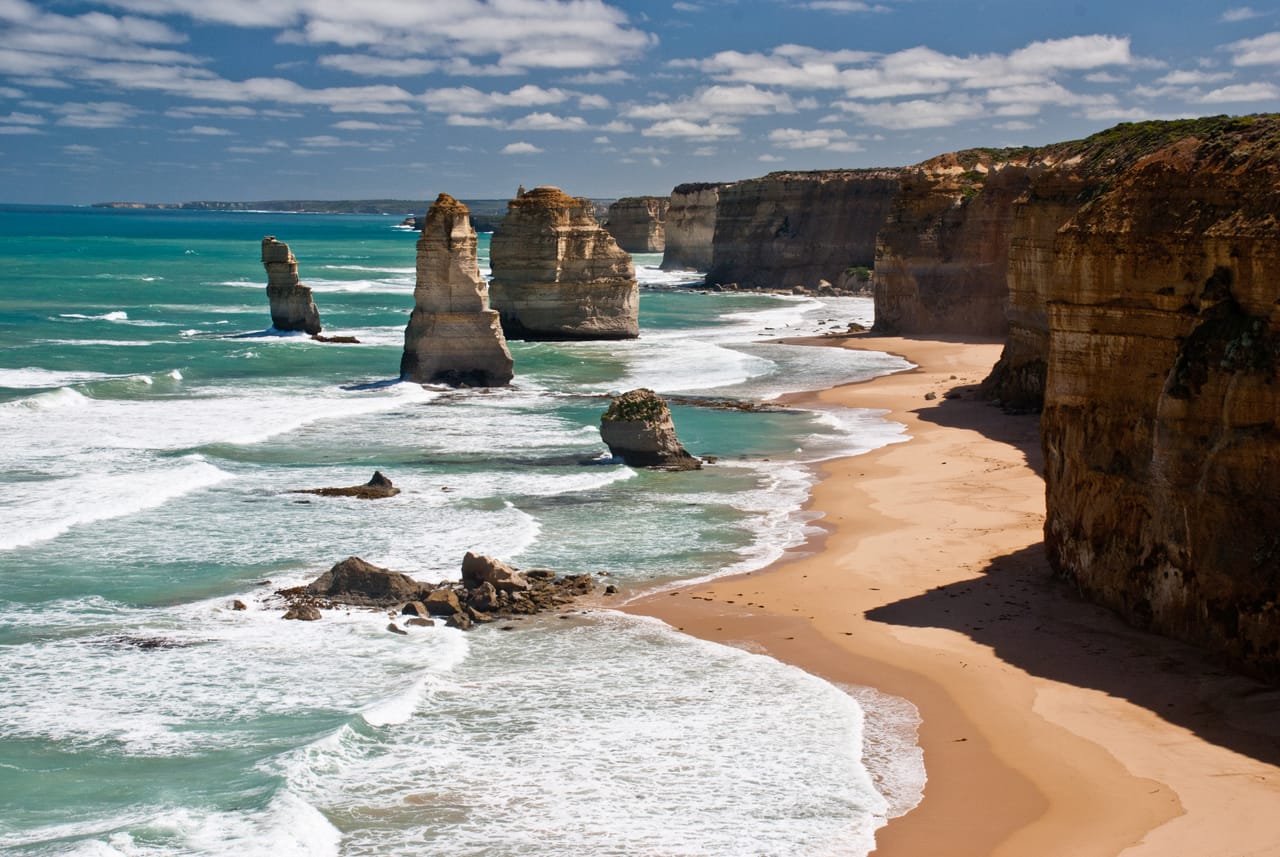
Next you come back to the sea and the Twelve Apostles, limestone stacks that turn gold at sunset. From June to September, southern right whales give birth off Logans Beach, in Warrnambool, often less than a hundred metres from the shore. The journey ends at Port Fairy, an old whaling port.
The Shipwreck Coast and its cliffs
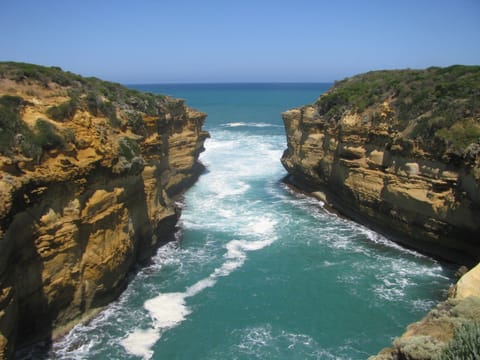
From Cape Otway to Port Fairy, the coast is called the Shipwreck Coast. On 1 June 1878, the clipper Loch Ard, sailing from England to Melbourne, broke up on the reefs here with 54 people on board. Two 19-year-olds survived, Tom Pearce and Eva Carmichael. They found shelter in the gorge that now bears the ship’s name. Close by, an arch collapsed in June 2009; its two pillars are now called Tom and Eva.
The cliffs are made of limestone, a soft rock that the waves wear into caves, then into arches, and finally into stand-alone stacks. These stacks were first known as “the Sow and Piglets”, then renamed the Twelve Apostles to draw visitors. The Twelve Apostles were never twelve. Seven are left: one stack collapsed in July 2005, another in 2009.
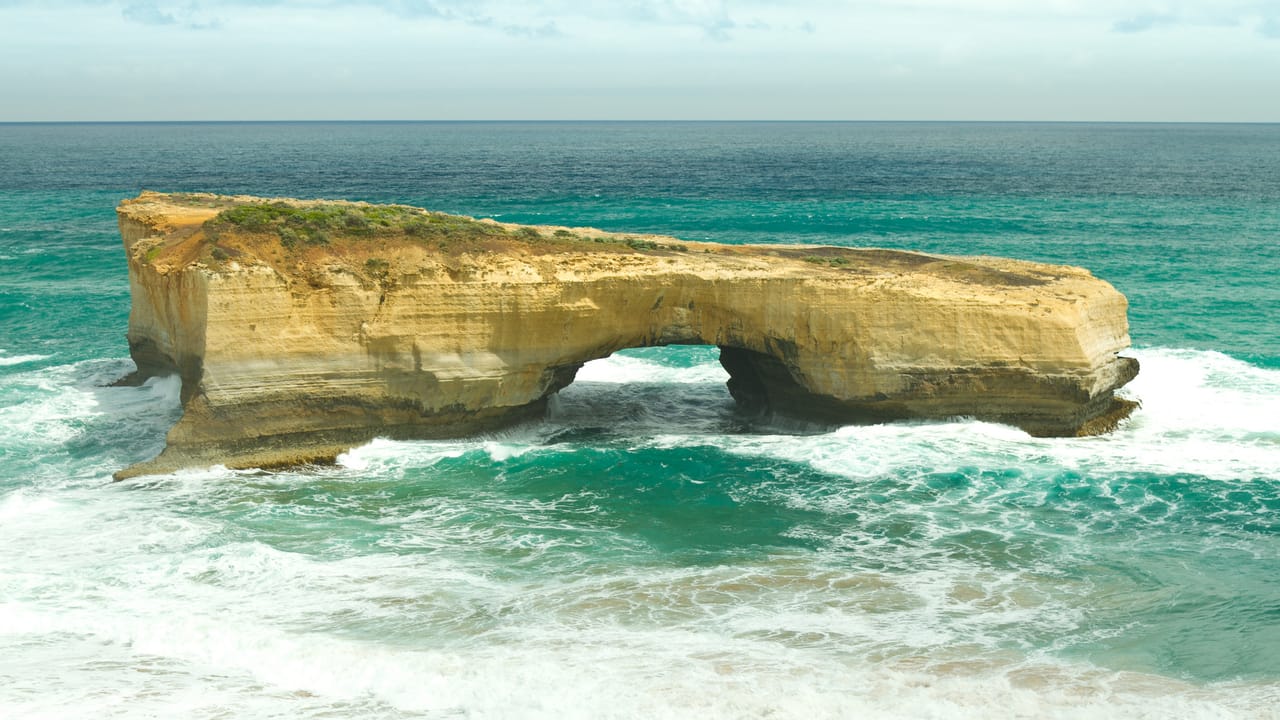
London Bridge was joined to the land by a double arch, until the arch on the land side collapsed on 15 January 1990. Two tourists left stranded on the outer part were rescued by helicopter. The Arch has been closed since 2022 because the cliff is moving; stop at The Grotto and the Bay of Islands lookouts instead.
The Twelve Apostles were never twelve.
A road built by returned soldiers
The Great Ocean Road is a war memorial, often described as the largest in the world. Around 3,000 soldiers back from the First World War built it from 1919, with picks, shovels and explosives. Before the road, this coast could only be reached by sea or along poor tracks. It was opened in 1932.
It is about 240 kilometres long, from Torquay to Allansford, near Warrnambool, and has been on the Australian National Heritage List since 2011. At Eastern View, a wooden arch spans the road: the Memorial Arch, unveiled in 1939 in tribute to the builders.
Budj Bim
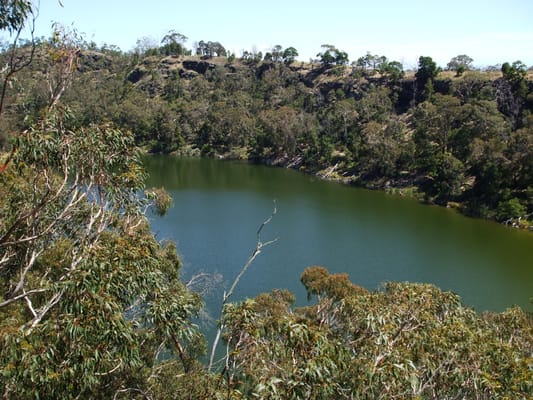
A volcano that erupted around 37,000 years ago, with a crater lake that you can walk around. On its lava flow, the Gunditjmara built eel traps, on the UNESCO list since 2019; one of them is around 6,600 years old. Gunditjmara guides show visitors around at Tae Rak, Lake Condah.
Practical notes
- When to go
- All year round. The southern summer, from December to February, is the high season; from June to September, it is whale season.
- Getting there
- Torquay is just over an hour from Melbourne. From Port Fairy, the drive back takes 3 hours 15 minutes on the Princes Highway, or you can return through the Grampians.
- Access
- Everything is sealed, and you drive on the left. Between Lorne and Apollo Bay, the road is very winding. Kangaroos and wallabies cross at dusk: avoid driving at night.
- Sleeping in a van
- Wild camping is banned on the coast outside designated sites. There are caravan parks in every stopover town; book ahead in summer and at Easter.
- Worth knowing
- Since 16 October 2026, visits to the Twelve Apostles must be booked online (arrival time and parking), free of charge until April 2027. The beach at Loch Ard Gorge, closed since 2023, was due to reopen in October 2026: check before you go.
- Allow
- Five days, plus one or two more to return through the Grampians.
What not to miss
- 1The Twelve ApostlesThe stacks at sunset, from the viewing platform or, if access is open, from the beach via the Gibson Steps.
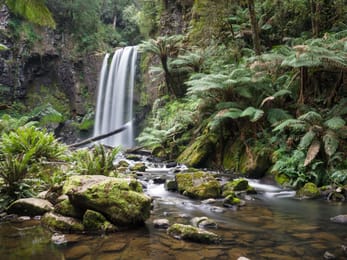
- 2Hopetoun FallsA waterfall at the bottom of a fern gully near Beech Forest; a staircase leads down to it.
- 3Maits RestA short boardwalk through the rainforest of the Otways.
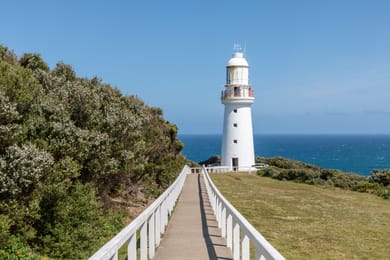
- 4Cape Otway LighthouseFirst lit in 1848, it is the oldest lighthouse still standing on mainland Australia.
- 5Tower HillA volcanic crater, Victoria’s first national park in 1892, where you come across emus and koalas.
- 6Griffiths IslandWalk to the Port Fairy lighthouse through a colony of shearwaters, from September to April.
The Great Ocean Road in pictures
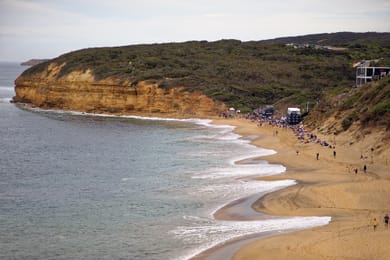
The bay at Bells Beach and its ochre cliffs, on a day of surfing competition.
Food on the Great Ocean Road
You eat fish and chips facing the harbour, in Apollo Bay or Port Campbell, and southern rock lobster, caught along the coast.
Around Timboon, dairy farming country, you can taste the local cheeses, and a whisky distillery fills the old railway shed. Near Geelong and on the Bellarine Peninsula, they also make wine.
Melbourne City → Port Fairy


 +15stops
- 1Torquay Surf Beach · Bells Beach · Anglesea Lookout · Split Point Lighthouse
- 2Hopetoun Falls · Cape Patton Lookout · Marriners Lookout
- 3Maits Rest · Koalas · Cape Otway Lighthouse · The Twelve Apostles
Free, no account needed — start from its places and make it yours.
Also worth reading
Wide open spaces
Australia’s west coast, from Perth to Exmouth
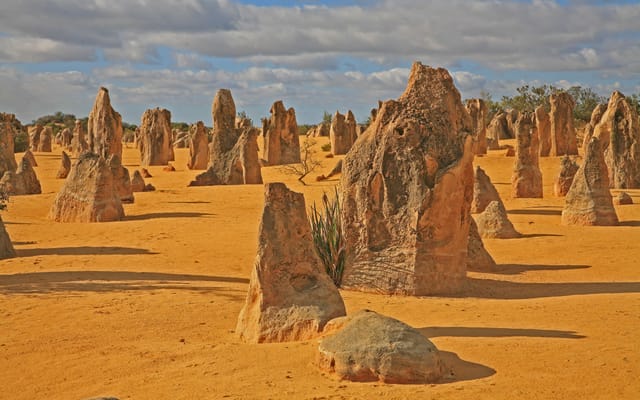
Ten days and about 2,000 kilometres along the Indian Ocean, from the Pinnacles to Ningaloo Reef. A coast of dunes, red gorges and turquoise bays, where you meet dolphins, dugongs and whales.
Wide open spaces
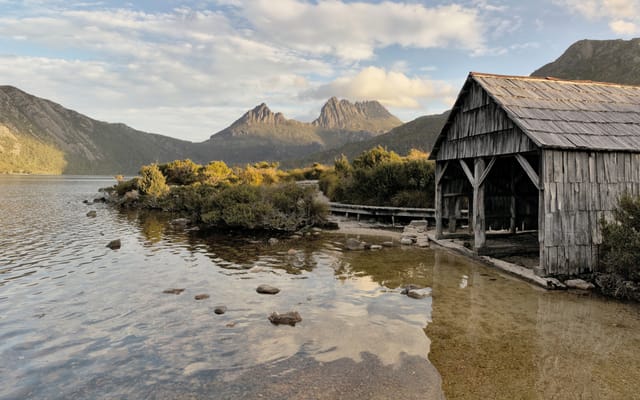
Tasmania on a loop, from Hobart to Cradle Mountain
Beaches lined with granite, rainforests and the ruins of a penal colony, on an island south of mainland Australia. This trip goes all the way round it in twelve days from Hobart, from Freycinet to Cradle Mountain.
Wide open spaces
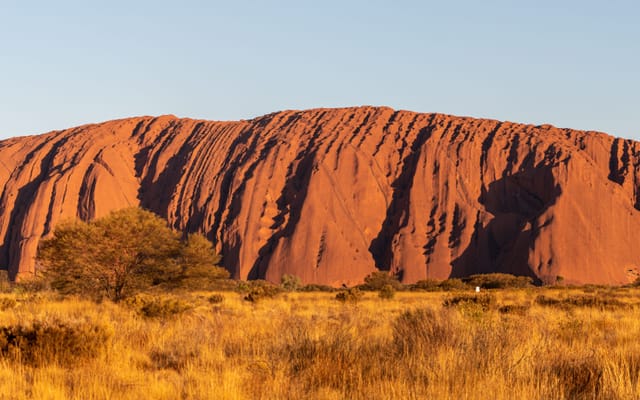
The Red Centre, from Alice Springs to Uluru
In the middle of Australia, a red desert, gorges that hold water all year round and two great sacred sites. Eight days on a loop from Alice Springs, through the MacDonnells, Kings Canyon, Uluru and Kata Tjuta.
A starting point, a few wishes — ViaLooma builds the trip day by day, map, stops and roadbook included.