The châteaux of the Loire, from Blois to Saumur
Chambord, Chenonceau, Villandry, Chinon: the valley where the French court lived for more than a century, and where every château tells of a reign. Six days along the Loire and its tributaries, rarely driving more than an hour at a stretch.
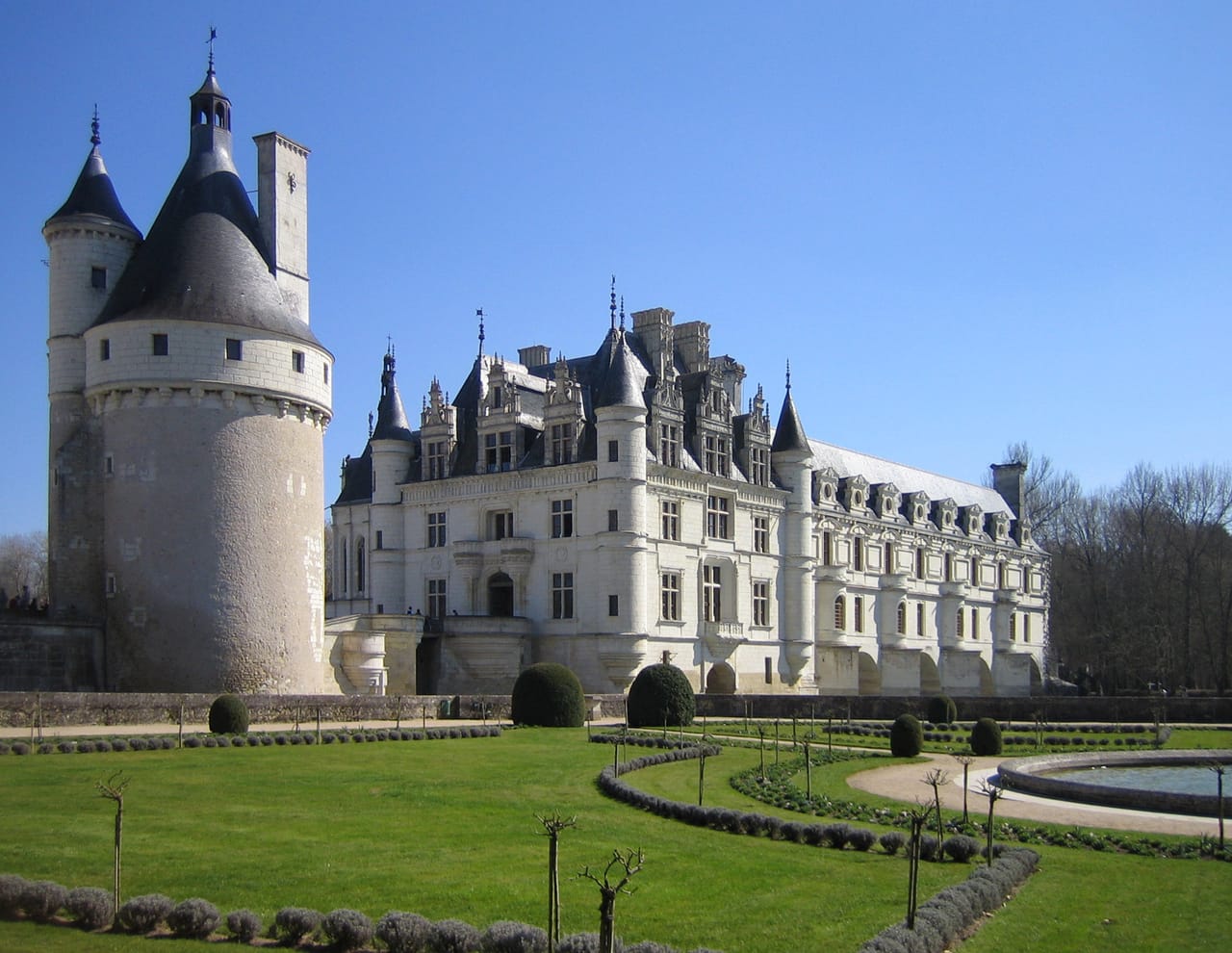
Along the Loire
Between Blois and Saumur, the road follows the Loire and its tributaries, the Cher, the Indre and the Vienne. It is flat and the stages are short: you rarely drive more than an hour at a stretch. You visit one château in the morning, another in the afternoon, and stop in between in a village or by the water. The Loire is often called the last great wild river in France. It flows between sandbanks and wooded islands. Between Sully-sur-Loire and Chalonnes, the Loire Valley has been a Unesco World Heritage Site since 2000, as a cultural landscape.
Not all the châteaux are on the river. Azay-le-Rideau stands on the Indre. Villandry stands on the Cher. It was at Chinon, above the Vienne, that Joan of Arc came to find the Dauphin Charles, in 1429.
The houses and châteaux of the valley are built of tuffeau, a white limestone. It was quarried out of the hillsides, and the abandoned quarries became homes, wine cellars and mushroom farms. Around Saumur, you find troglodyte villages. At the Abbey of Fontevraud, you can see the tomb effigies of Eleanor of Aquitaine, Henry II Plantagenet and their son Richard the Lionheart.
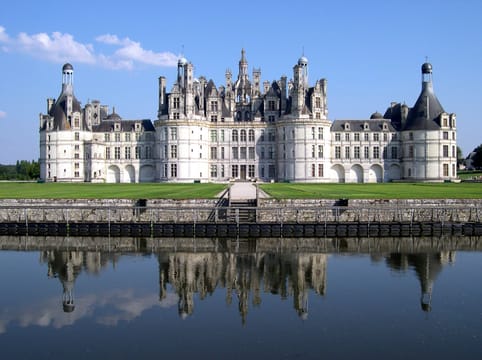
Francis I and the Renaissance
Francis I began work on Chambord in 1519, in the middle of a hunting forest. The château has more than four hundred rooms and 282 fireplaces. At the centre, a double-helix staircase lets two people climb without ever meeting. The idea is often credited to Leonardo da Vinci, without proof. The estate is surrounded by a wall thirty-two kilometres long. It is the largest enclosed forest park in Europe.
For more than a century, from the Hundred Years’ War to the Wars of Religion, the French court lived on the banks of the Loire rather than in Paris. Charles VII settled at Chinon, Louis XI at Plessis-lès-Tours, Louis XII and then Francis I at Blois and Amboise. Each king added his château, and the great lords of the realm followed suit.
The Italian Wars brought the taste for the Renaissance back to France. In 1516, Francis I invited Leonardo da Vinci. The painter settled at the Clos Lucé, near the château of Amboise, and died there in 1519. At Blois, the Francis I wing houses a spiral staircase open to the courtyard, carved with salamanders, the king’s emblem.
Each king added his château, and the great lords of the realm followed suit.
Chenonceau, the ladies’ château
Built on the Cher rather than the Loire, Chenonceau owes almost everything to women. Katherine Briçonnet oversaw its construction in the early 16th century. Henry II later gave it to Diane de Poitiers, who had a bridge thrown across the Cher. Once widowed, Catherine de’ Medici forced Diane to give her Chenonceau in exchange for Chaumont. She had the two-storey gallery built on that bridge.
During the Second World War, the Cher marked the demarcation line. The gallery then offered a way across from one bank to the other, from the occupied zone to the free zone.
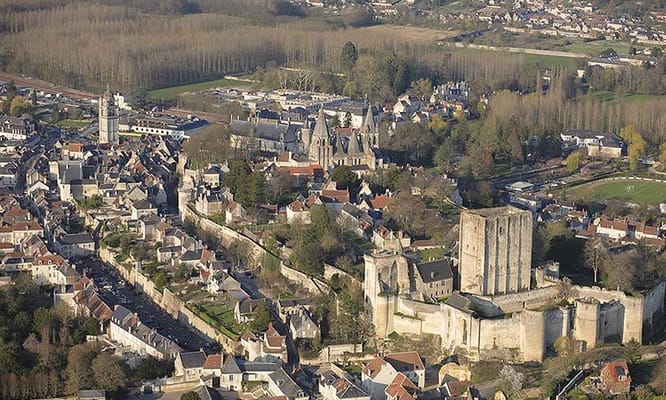
Château de Loches
A royal town perched above the Indre: one of the best-preserved Romanesque keeps in France, the Logis Royal of Charles VII and, in the collegiate church of Saint-Ours, the tomb of Agnès Sorel, his mistress. Less crowded than the châteaux on the river, and every bit as rich.
Practical notes
- When to go
- April to June and September. The gardens are at their best in spring; in summer, the best-known châteaux are besieged.
- Getting there
- Blois is two hours from Paris on the A10. Saumur, at the end, is an hour and a half from Nantes.
- Access
- All tarmac, and flat. The Loire à Vélo cycle route follows the river: you can leave the van behind for a day’s stage by bike.
- Sleeping in a van
- Riverside campsites, and motorhome aires in most of the valley’s towns.
- Worth knowing
- Book Chambord, Chenonceau and the Clos Lucé online in summer. Most châteaux open all year, with shorter hours in winter.
- Allow
- Six days for the essentials, without visiting more than two châteaux a day.
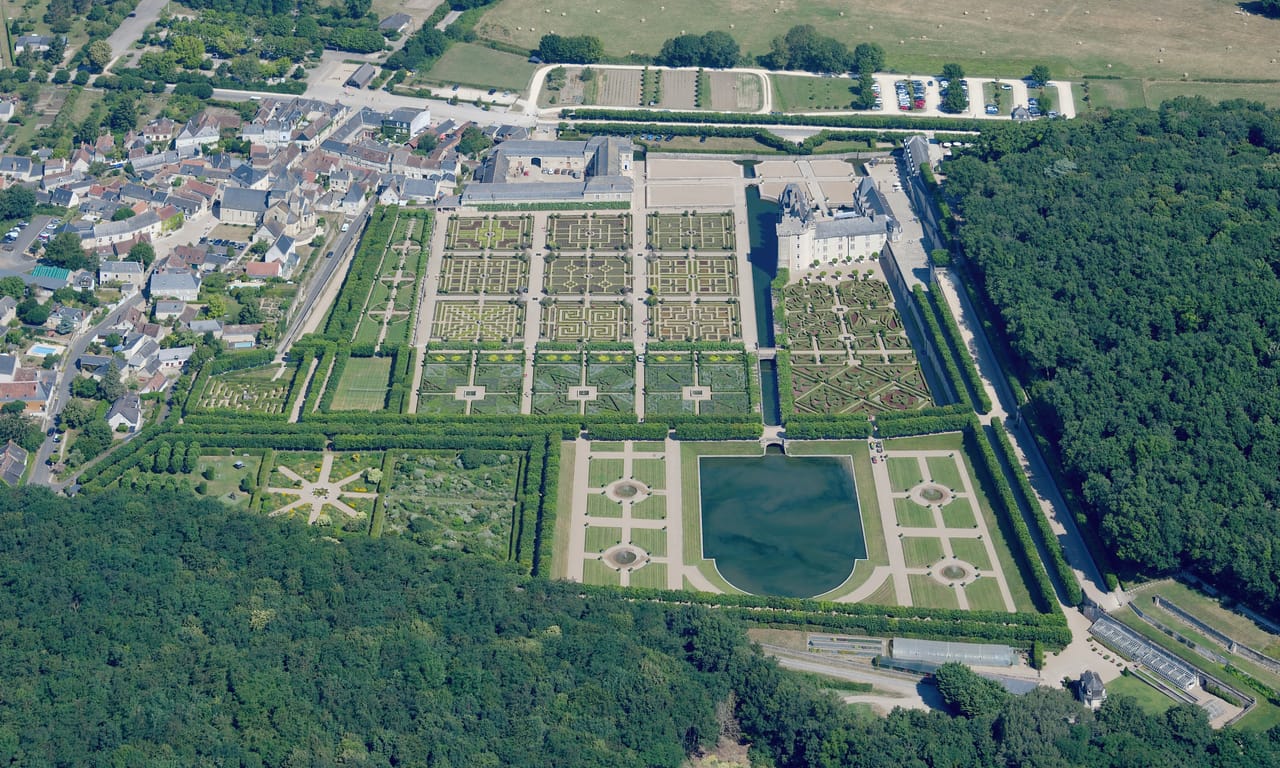
What not to miss
- 1The roof terraces of ChambordAt the top of the staircase, the chimneys and lanterns form a town on the rooftops.
- 2The gallery at ChenonceauSixty metres long above the Cher, with the gardens of Diane and Catherine.
- 3The Clos LucéLeonardo da Vinci’s last home, with models of his machines in the park.
- 4The gardens of VillandryA kitchen garden in the spirit of the Renaissance, recreated in the 20th century, where the vegetables trace patterns.
- 5Azay-le-RideauA château set on the water, which Balzac likened to ‘a faceted diamond set in the Indre’.
- 6The Abbey of FontevraudThe Plantagenet tomb effigies and the Romanesque kitchen, crowned with its chimneys.
The châteaux of the Loire in pictures
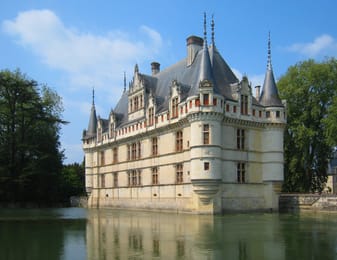
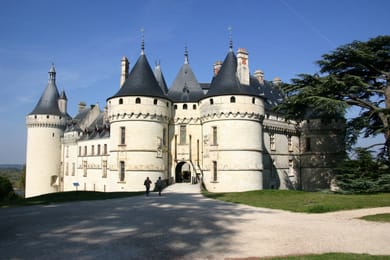
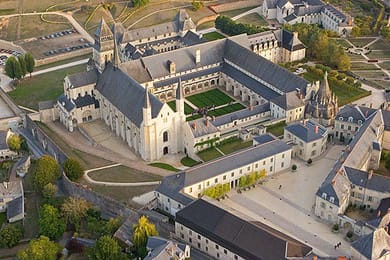
Azay-le-Rideau, on the Indre.
The table of the Loire Valley
The vineyards line the whole valley. Near Tours, Vouvray and Montlouis face each other on either bank of the Loire. Chinon and Bourgueil make red wines. Around Saumur, you drink Saumur-Champigny and sparkling wines aged in tuffeau cellars.
At table, you eat Tours rillettes and rillons. Sainte-Maure-de-Touraine goat’s cheese has a stalk of rye straw running through the middle. Tarte Tatin was born at the end of the 19th century at Lamotte-Beuvron, in neighbouring Sologne.
Blois → Saumur

 +12stops
- 1Château de Blois · Château de Chambord
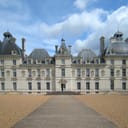
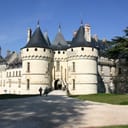
- 2Château de Cheverny · Château de Chaumont-sur-Loire
- 3Château d'Amboise · Château du Clos Lucé · Château de Chenonceau
Free, no account needed — start from its places and make it yours.
Also worth reading
Coast and islands
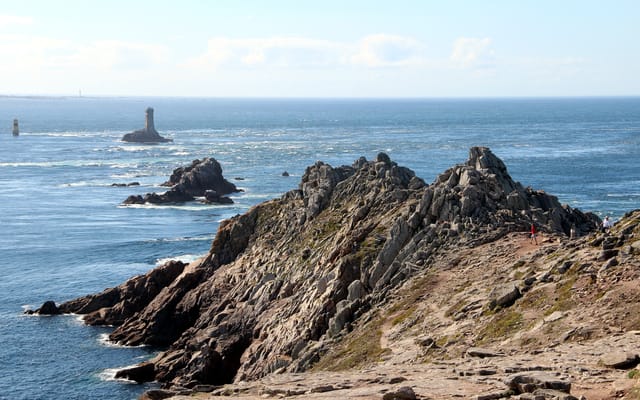
The coast of Brittany, from Saint-Malo to Vannes
The corsair city, the pink granite, the headlands of Finistère and the standing stones of Morbihan: nearly eight hundred kilometres along the coast, from the Channel to the Atlantic, in eight days.
Coast and islands
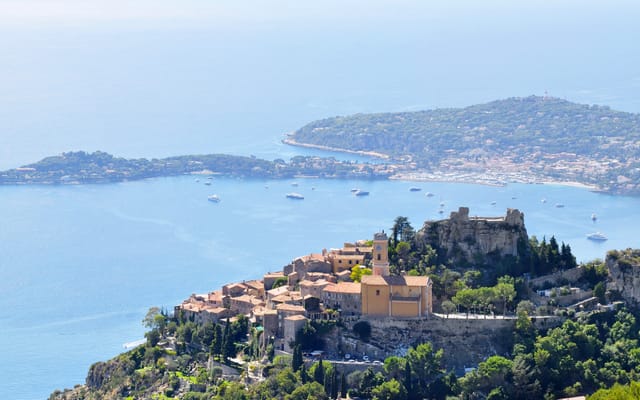
The French Riviera and the hills behind Nice
Corniche roads hanging above the Mediterranean, hilltop villages twenty minutes from the beaches, alpine valleys an hour from Nice. A six-day loop to see both faces of the Riviera.
Heritage and culture
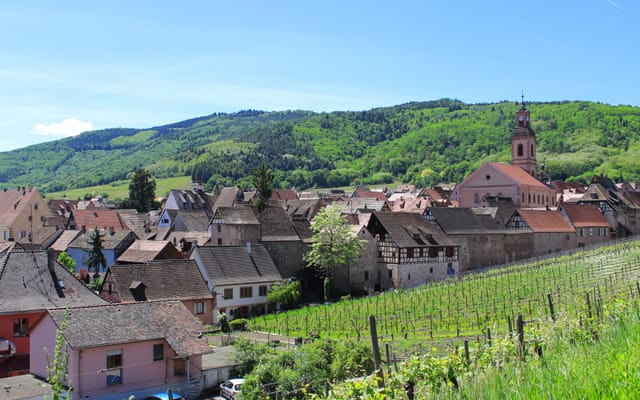
The Alsace Wine Route, from Strasbourg to Thann
Vines halfway up the slopes at the foot of the Vosges, a half-timbered village every two or three kilometres and a castle on every ridge. Five unhurried days, from Strasbourg Cathedral to the collegiate church of Thann.
A starting point, a few wishes — ViaLooma builds the trip day by day, map, stops and roadbook included.