Bohuslän, from Gothenburg to Strömstad
Bohuslän is the northern part of the west coast of Sweden, between Gothenburg and Norway. Granite islands, harbours with red and white huts, Bronze Age rock carvings: this trip follows this coast north in five days.
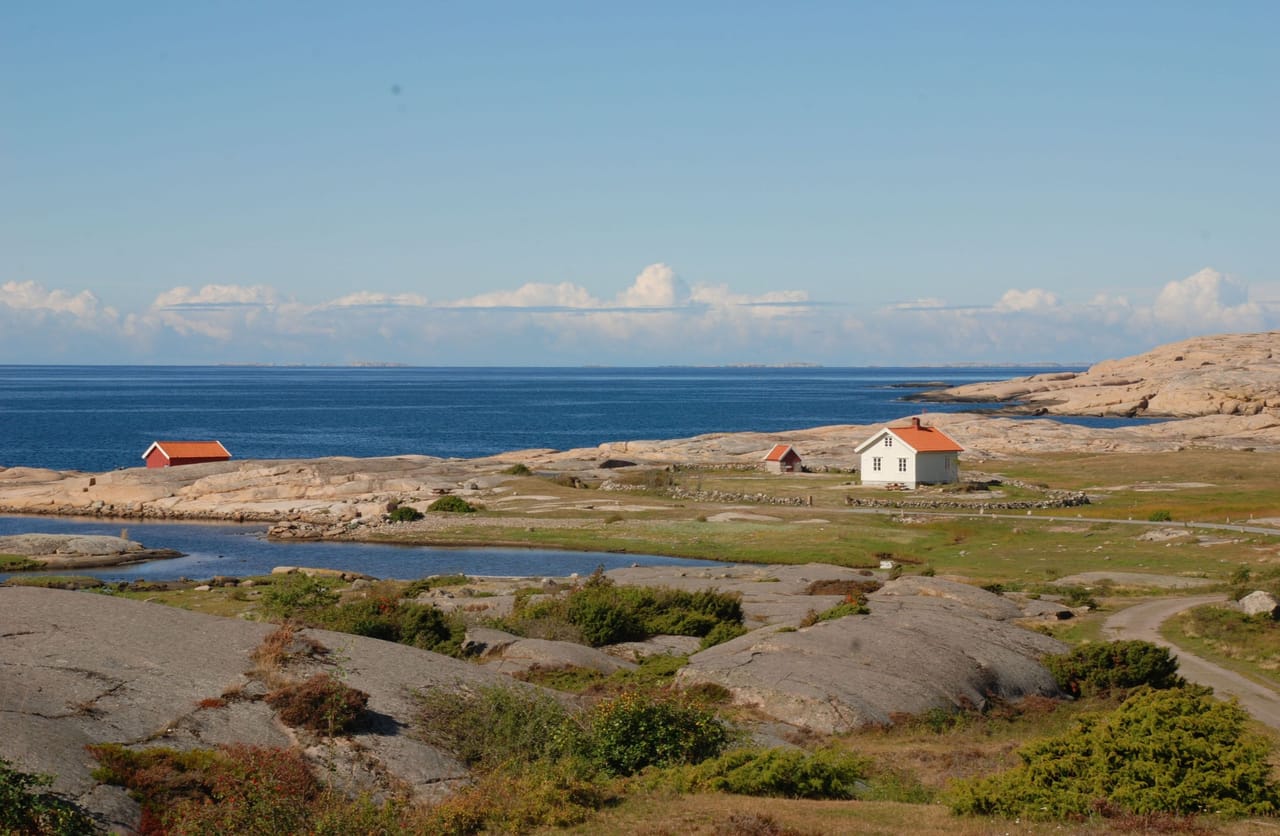
A granite coast, from island to island
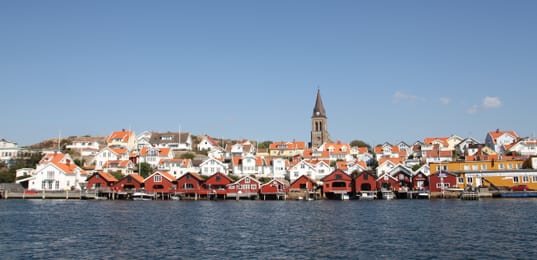
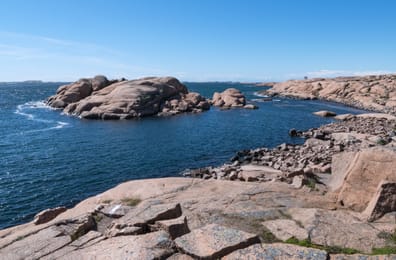
Bohuslän is the stretch of Swedish coast that runs from Gothenburg to Norway. The road heads north from island to island, over bridges and on one ferry. Everywhere, bare granite, pink or grey and polished by glaciers, slopes gently down into the sea. The villages huddle around their harbours: red fishing huts by the water, white houses above.
You leave the van on the island of Koön, and a small foot ferry takes you across to Marstrand, a car-free island below its fortress. Further north, bridges lead to Tjörn and Orust and their fishing harbours, such as Mollösund. On the Gullmarn, a free ferry crosses the fjord to Lysekil in ten minutes.
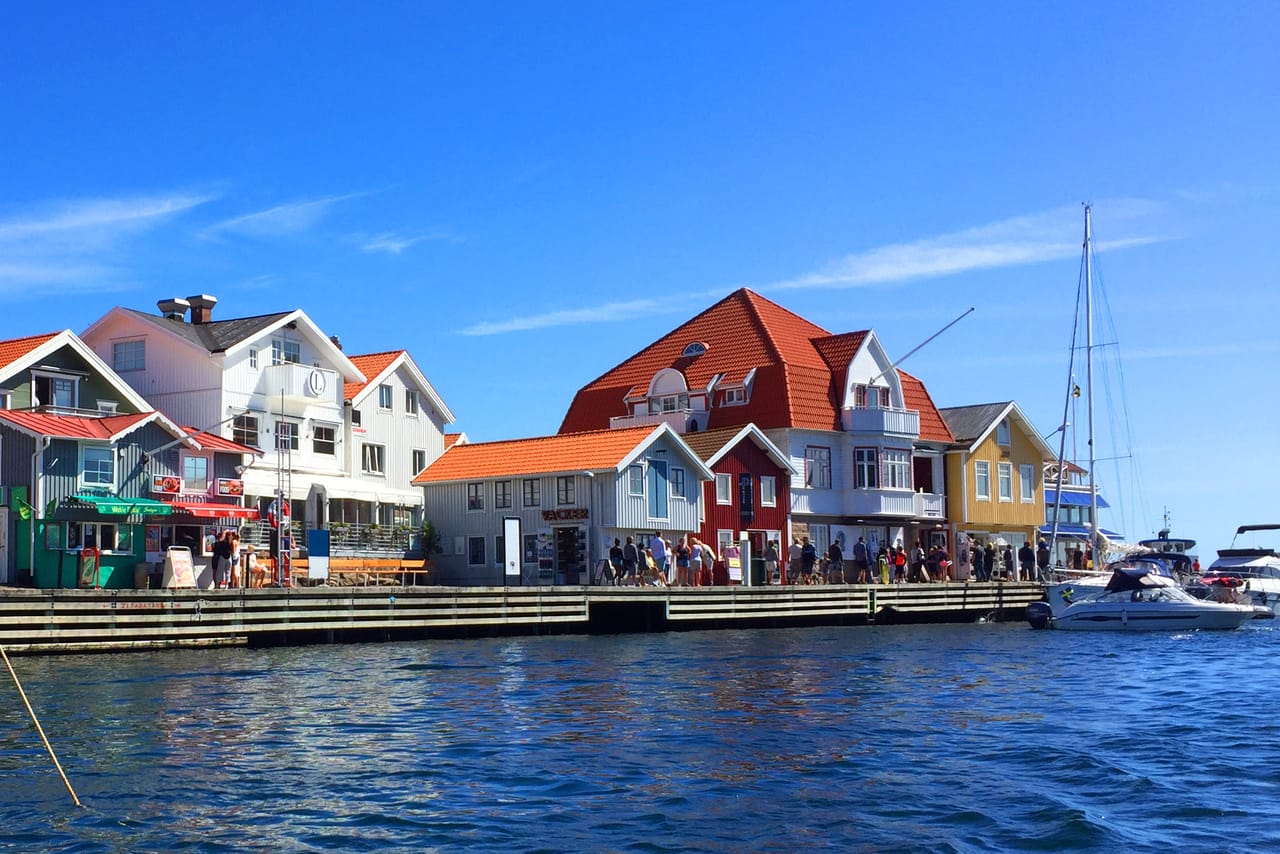
In Smögen, you walk along Smögenbryggan, a 640-metre wooden quay lined with old fishing huts that are now cafés and restaurants. You walk on the rock slabs of Ramsvikslandet. Above Fjällbacka, you climb the Vetteberget. From Strömstad, boats leave for the Koster Islands, in Kosterhavet National Park, the first marine national park in Sweden.
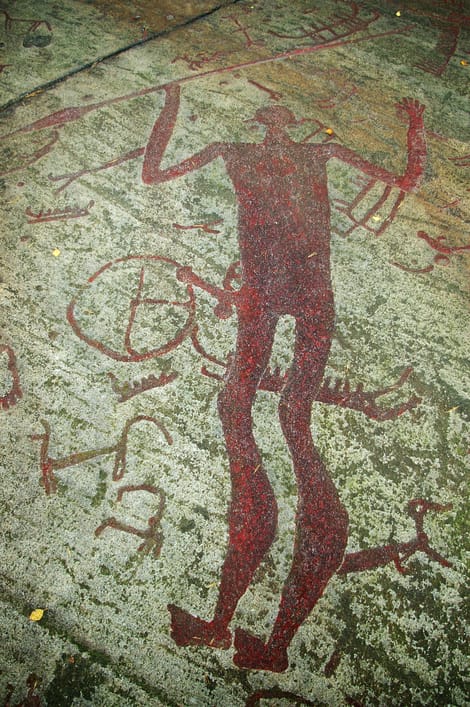
The rock carvings of Tanum
Around Tanum, thousands of images were carved into granite slabs in the Bronze Age, between about 1800 and 500 BC. They have been on the UNESCO World Heritage List since 1994. They show boats, warriors, couples, animals and sun wheels. At Litsleby, the main slab carries about 120 figures, including more than 80 boats. It is dominated by a man holding a spear, 2.25 metres tall, known as the “spear god”. One theory holds that he is an early form of Odin.
The large slab at Vitlycke has about 500 carvings, with a small museum close by. Many carvings are painted red to make them easier to read. This modern paint is debated: it changes the original look of the rock.
When they were carved, these slabs were at the edge of the sea. Since the glaciers melted, the land has been slowly rising: today they stand about 25 metres above sea level, far from the shore. The whole coast rose in the same way.
When they were carved, these slabs were at the edge of the sea.
A Norwegian province that became Swedish
Bohus fortress, in Kungälv, was begun in 1308 by King Haakon V of Norway to guard the border on the Göta älv river. Bohuslän remained part of the kingdom of Denmark–Norway until the Treaty of Roskilde, in 1658, which gave it to Sweden. That same year, work began on fortifying Marstrand: this was the start of Carlsten fortress.
In 1718, King Charles XII of Sweden was killed while besieging Fredriksten, in Norway. In 1719, the Norwegian admiral Tordenskjold took Carlsten, which later went back to Sweden with the peace of 1720. The fortress then became a prison. Its most famous inmate was Lasse-Maja, a thief who dressed as a woman, locked up from 1813 to 1839.
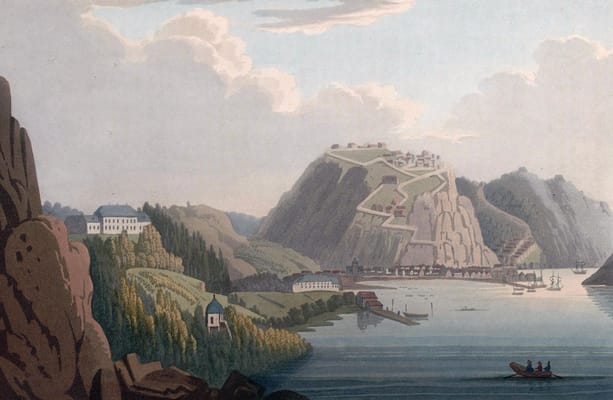
Fredriksten Fortress
The Norwegian fortress above Halden was besieged during the war in which Tordenskjold took Carlsten. Charles XII was killed while besieging it in 1718; a monument marks the spot. From the ramparts, the view takes in the town and the fjord.
Practical notes
- When to go
- June to August for swimming and boat trips; July is very busy. September is quieter.
- Getting there
- Gothenburg is just over three hours from Oslo and from Copenhagen; the Øresund Bridge is a toll bridge. Ferries from Kiel and Frederikshavn.
- Access
- Everything is tarmac. The harbour lanes are narrow and steep: park at the entrance to the villages.
- Sleeping in a van
- The right of public access does not cover vehicles: no nights out in the wild. Campsites and motorhome aires; many harbours ban sleeping there.
- Worth knowing
- Gothenburg charges a congestion tax on weekdays, except in July, foreign vehicles included. At Marstrand, the van stays on Koön.
- Allow
- Five days from Gothenburg to Strömstad, one more day for the Koster Islands.
What not to miss
- 1Marstrand and CarlstenThe car-free island and the round tower of its fortress.
- 2The Tjörn BridgeA cable-stayed bridge opened in 1981, after the collapse of the old bridge, hit by a cargo ship in 1980.
- 3The watercolour museum in SkärhamnThe Nordiska akvarellmuseet, opened in 2000, right at the water’s edge.
- 4KlädesholmenA small fishing harbour, known for its herring canneries.
- 5StångehuvudDomes of pink granite by the sea, on the edge of Lysekil.
- 6FjällbackaThe Kungsklyftan ravine in the Vetteberget rock, and Ingrid Bergman Square with her bust.
Bohuslän in pictures
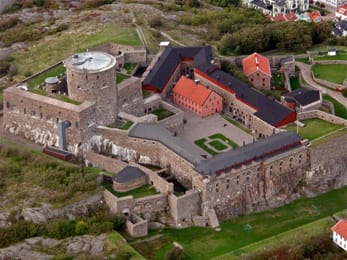
Carlsten fortress from the air, above Marstrand.
The Bohuslän table
In Grebbestad, you can taste wild flat oysters; according to the tourist office, about 90% of Swedish oysters come from this coast. Lobster season opens on the first Monday after 20 September. On the quay at Smögen, you buy cooked prawns and peel them yourself.
Pickled herring is eaten with new potatoes. In Gothenburg, the Feskekôrka, a fish market hall opened in 1874 and shaped like a neo-Gothic church, sells fish and seafood.
Goteborg → Strömstad


 +16stops
- 1Feskekôrka · Haga · Bohus fästning · Marstrand
- 2Almöbron · Nordiska akvarellmuseet · Klädesholmen · Mollösund
- 3Fiskebäckskil · Lysekil · Stångehuvuds naturreservat · Smögen
Free, no account needed — start from its places and make it yours.
Also worth reading
Wide open spaces
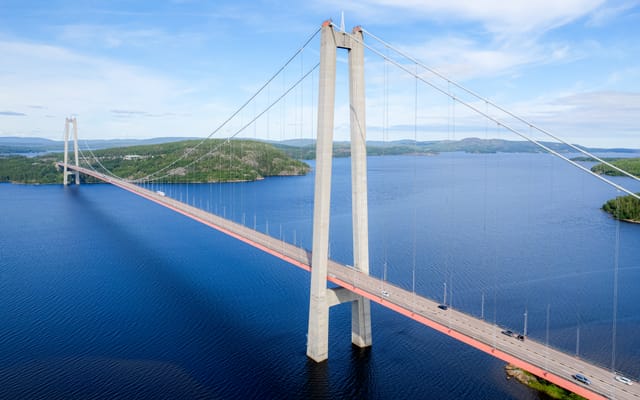
Sweden’s High Coast, between Härnösand and Örnsköldsvik
On the Gulf of Bothnia, the High Coast is a line of wooded hills, deep bays and red fishing villages. A four-day loop from Härnösand, on a coast that is still rising out of the sea.
Coast and islands
Southern Sweden, from Skåne to Småland
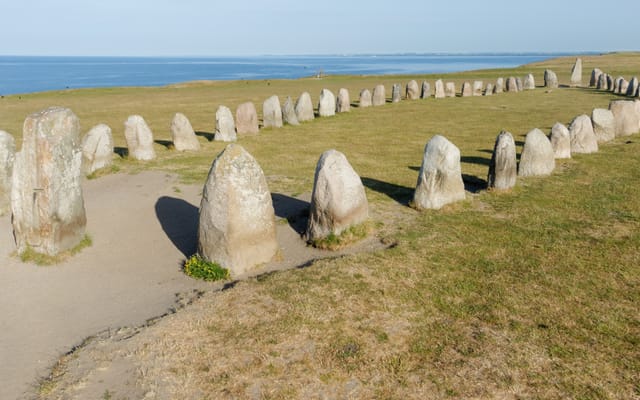
From the cliffs of Kullaberg to the stones of Ales stenar, then from the forests of Småland to Kalmar Castle. A one-week loop from Malmö, through Sweden’s southernmost province and the land of Astrid Lindgren.
Wide open spaces
The Pacific Northwest, from the Olympic Peninsula to the Cascade volcanoes
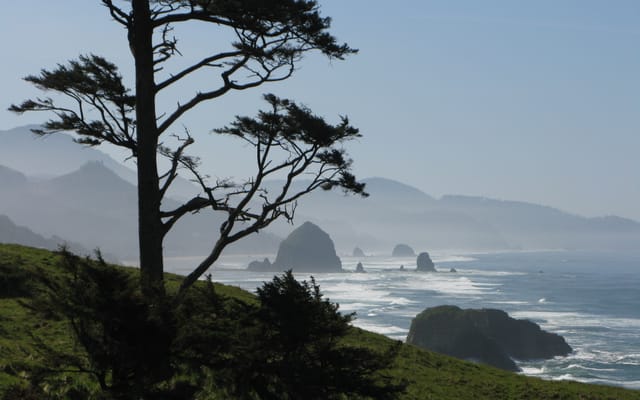
Rainforests, a coast of headlands and lighthouses, redwoods and two active volcanoes. A two-week loop from Seattle, by way of the Olympic Peninsula, the Oregon coast and Mount Rainier.
A starting point, a few wishes — ViaLooma builds the trip day by day, map, stops and roadbook included.