Moldova’s wine route, from Cricova to Orheiul Vechi
Cellars dug for more than a hundred kilometres under the hills, monasteries in the rock and wine estates on the banks of the Dniester. Four days on a loop from Chișinău, along Moldova’s wine route.
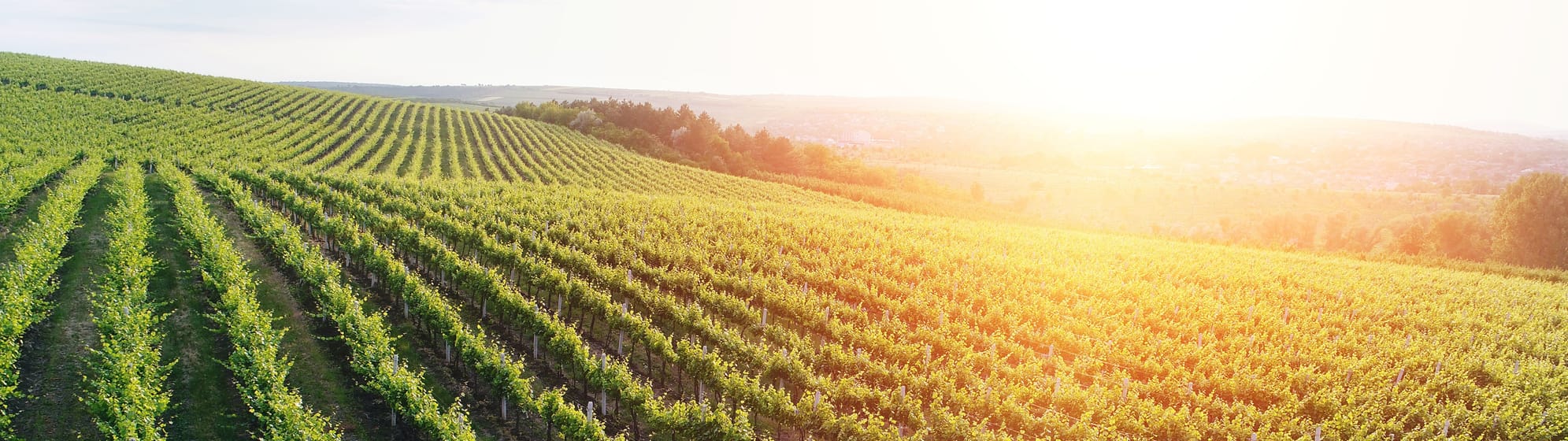
Cellars, monasteries and the vineyards of the Dniester
Moldova is a small country of vine-covered hills, between Romania and Ukraine. From Chișinău, the capital, the big wine estates are less than three hours’ drive away, along country roads lined with walnut trees and orchards. In the villages, you still pass horse-drawn carts.
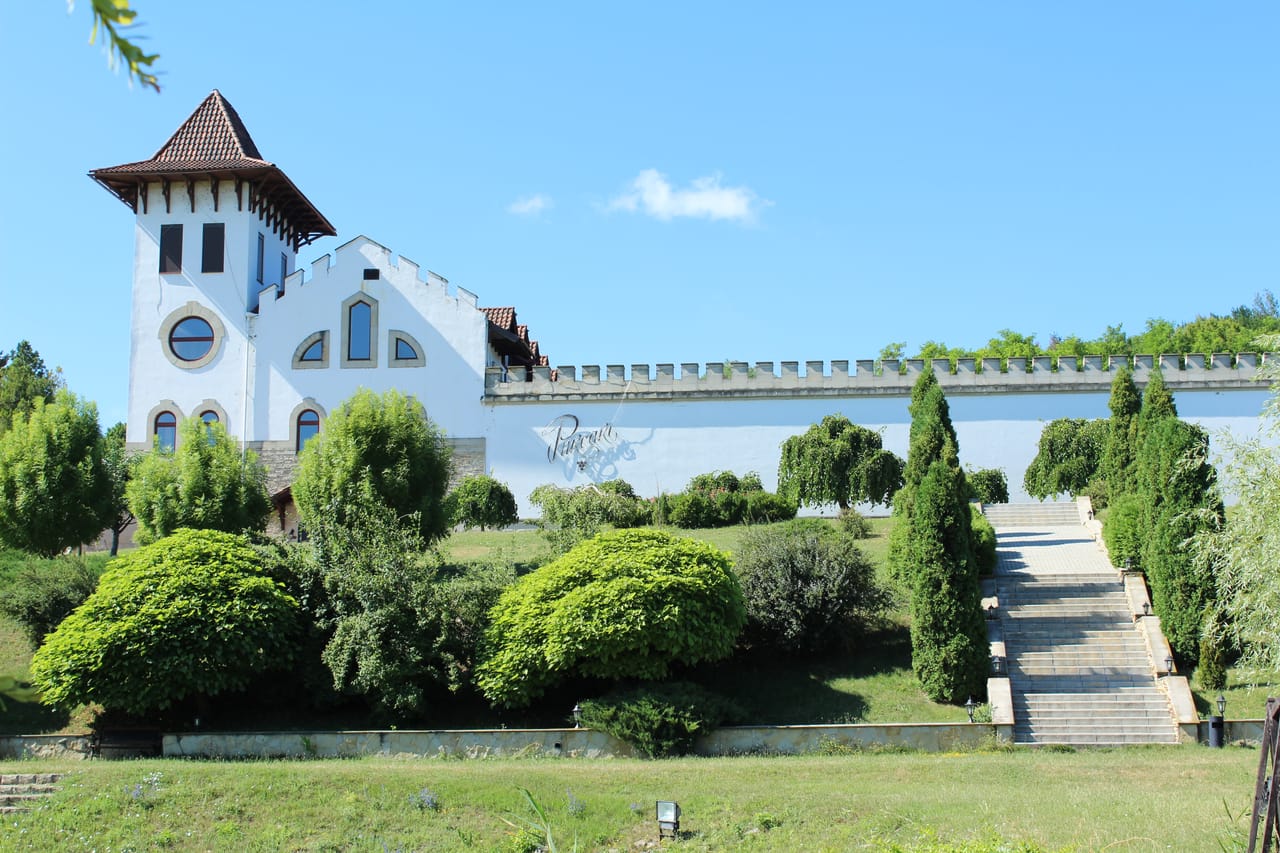
North of the city, you go down into the cellars of Cricova. Heading south, you stop at Castel Mimi, a château and winery from the late 19th century, then at Căușeni and its half-buried church. At the end of the road, the vineyards of Purcari run down to the Dniester, near the Ukrainian border.
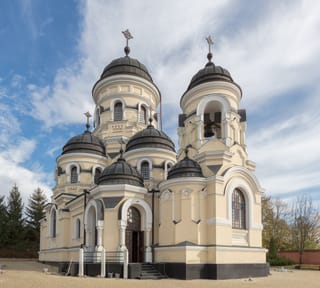
North-west of Chișinău, the road crosses the Codri forest to Căpriana Monastery. Further north, the plateau opens onto the gorge of the Răut, which makes a tight loop around Orheiul Vechi. Below, Butuceni lines up its blue houses and wooden gates. Late in the day, walk up to the church on the spur for the view over the valley.
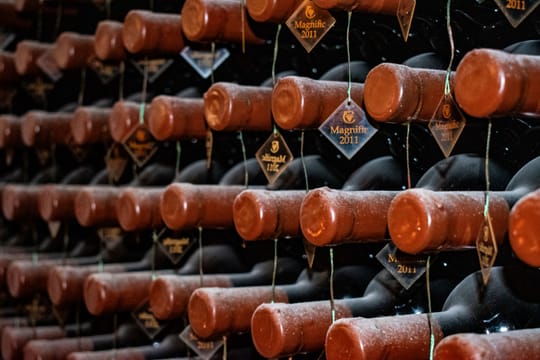
The underground cellars of Cricova and Mileștii Mici
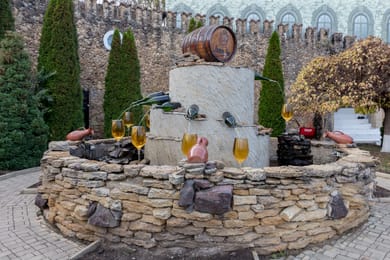
In Cricova, about fifteen kilometres north of Chișinău, wine ages in some 120 kilometres of tunnels, about sixty metres below ground. They are old limestone quarries, worked since the 15th century to build Chișinău. They have served as a wine cellar since the 1950s. The underground streets are named after the wines kept there. According to the estate, its collection includes bottles that belonged to Hermann Göring, seized by the Soviets at the end of the war.
Cricova has its legends too. Yuri Gagarin went in in 1966 and only came out two days later, so the story goes. Vladimir Putin celebrated his 50th birthday there, in 2002.
South of the capital, the cellar at Mileștii Mici is bigger still: some 200 kilometres of tunnels, 55 of them in use. Since 2005 it has held the Guinness World Record for the largest wine collection in the world. Some visitors say they followed the guide in a convoy, in their own car. At both cellars, the visit is guided and must be booked in advance; Cricova runs tours in English.
The underground streets are named after the wines kept there.
Orheiul Vechi and its monks
Orheiul Vechi is a bend of the Răut, about fifty kilometres north of Chișinău, lived in since Antiquity. In the 14th century, the Golden Horde founded a town here, Shehr al-Jedid, the “new town”, abandoned around 1369. A Moldavian fortress then took its place.
Monks dug cells and a church into the cliff, probably as early as the 14th century. In the early 18th century, a landslide destroyed the stairway up to them and the monks left. A new tunnel was dug around 1820. Closed under the Soviets, the cave monastery reopened after 1991.
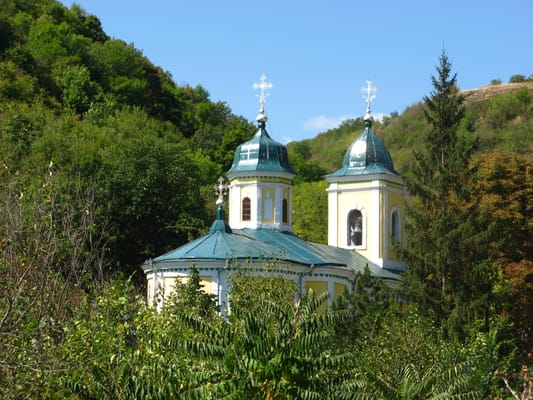
Saharna Monastery
An 18th-century monastery at the bottom of a wooded gorge. A path runs past small waterfalls to the rock where, according to tradition, the Virgin left her footprint. In Rezina, do not take the bridge to Rîbnița, in Transnistria.
Practical notes
- When to go
- May to October. September and October are grape-harvest time.
- Getting there
- International airport at Chișinău. By road from Romania: a green card valid for Moldova and an e-vignette are compulsory.
- Access
- Tarmac roads, sometimes in poor repair and badly lit: avoid driving at night. Between Castel Mimi and Purcari, go via Căușeni: the shortest route crosses Bender, in Transnistria.
- Sleeping in a van
- Campsites are rare. Ask a rural guesthouse or a wine estate for permission to sleep on their land.
- Worth knowing
- The UK Foreign Office advises against all but essential travel to Transnistria: the embassy cannot help you there, and many hire companies forbid it. Drink-driving: 0.3 g/l at most, but do not drink if you are driving. Romanian is the official language, but Russian is widely spoken.
- Allow
- Four days, one more for Saharna.
What not to miss
- 1Castel MimiThe restored château, its gardens and its winery are open to visitors; tastings must be booked in advance.
- 2PurcariFounded in 1827; according to the estate, its red was mistaken for a Bordeaux in Paris in 1878.
- 3The church at CăușeniHalf buried in Ottoman times, when churches were not allowed to stand too tall; frescoes from 1763.
- 4Căpriana MonasteryIn the Codri forest, the oldest surviving church in the country.
- 5ButuceniBlue houses, wells and wooden gates at the foot of Orheiul Vechi.
- 6ChișinăuThe cathedral park, then Valea Morilor lake and its great staircase late in the day.
Moldova’s wine route in pictures
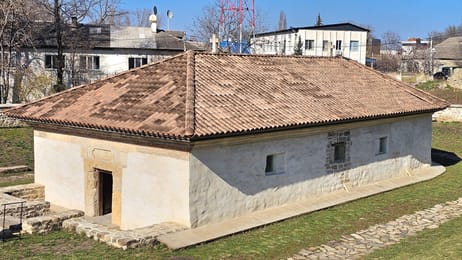
The Church of the Dormition in Căușeni, half buried under its large tiled roof.
The Moldovan table
You start with zeamă, a slightly sour chicken soup. Then comes mămăligă, a polenta served with brânză, a sheep’s cheese, and sour cream. Everywhere you will find plăcinte, pastries filled with cheese, cabbage or apple, and sarmale, stuffed cabbage leaves.
The main local grapes are fetească neagră and rară neagră for the reds, and fetească albă for the whites. National Wine Day takes place in Chișinău on the first weekend of October.
Loop from Chișinău


 +8stops
- 1Catedrala Mitropolitană din Chișinău · Muzeul Național de Etnografie și Istorie Naturală · Cricova
- 2Castelul Mimi · Biserica Adormirea Maicii Domnului din Căușeni · Crama și pivnițele pentru păstrarea vinului
- 3Mileștii Mici · Parcul „Valea Morilor”
Free, no account needed — start from its places and make it yours.
Also worth reading

Wide open spaces
Eastern Canada, from Toronto to Quebec City
From Niagara Falls to the walls of Quebec City, the best way to see Eastern Canada is to follow the water. Eleven days on the road, through the Thousand Islands, the Rideau Canal, Ottawa, Montreal and the lakes of the Mauricie.
Wide open spaces
Tasmania on a loop, from Hobart to Cradle Mountain
Beaches lined with granite, rainforests and the ruins of a penal colony, on an island south of mainland Australia. This trip goes all the way round it in twelve days from Hobart, from Freycinet to Cradle Mountain.
Wide open spaces
New Zealand’s North Island, from the Bay of Islands to Tongariro
From the beaches of the Bay of Islands to the volcanoes of Tongariro, the North Island brings together kauri forests, hot springs and Māori history. An eleven-day loop from Auckland, through the Coromandel, Rotorua and Taupō.
A starting point, a few wishes — ViaLooma builds the trip day by day, map, stops and roadbook included.