Classic Bulgaria, from Sofia to Veliko Tarnovo
Mountain monasteries, Thracian tombs, a Roman theatre and the capital of the tsars. Eight days on a loop from Sofia, crossing the Balkan Mountains twice.
The road through the Balkan Mountains and the Rose Valley
This loop starts in Sofia, covers about 1,000 kilometres and crosses the Balkan Mountains twice. The stages are short. Three take about three hours of driving: from Sofia to Rila, from Rila to Plovdiv and from Veliko Tarnovo to the Troyan Pass. South of Sofia, you stop at the Stob Pyramids, earth columns up to 12 metres high.
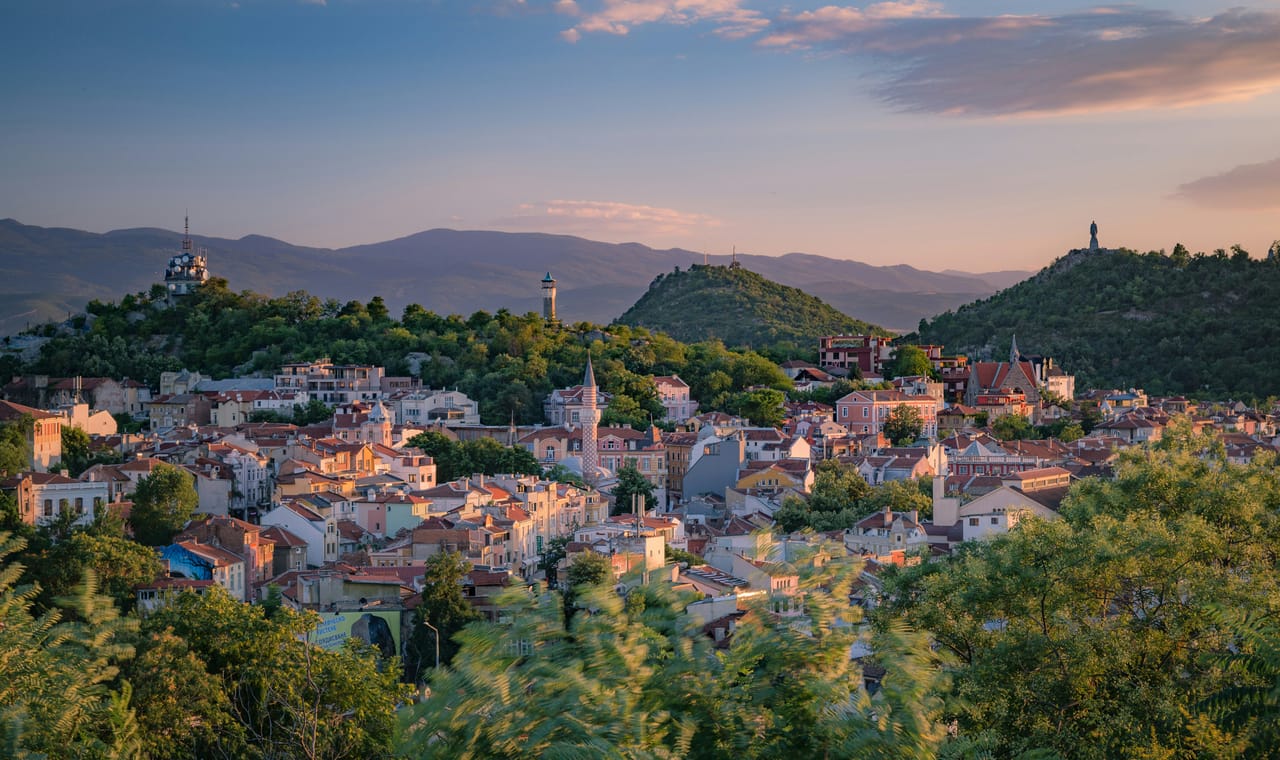
Plovdiv is best seen on foot, among cobbled streets and colourful houses. Further east, the road runs along the Rose Valley, where the harvest takes place from mid-May to June, depending on the year.
The most striking stretch is the Shipka Pass, all hairpin bends. On a nearby ridge, Buzludzha is a round concrete building, opened in 1981 by the Communist Party and abandoned after 1989. You look at it from the outside: entry is forbidden. On the far side of the pass, you reach Veliko Tarnovo and the nearby village of Arbanasi. The way back goes by the covered bridge in Lovech and the Troyan Pass, at 1,520 metres.
The monasteries and the National Revival
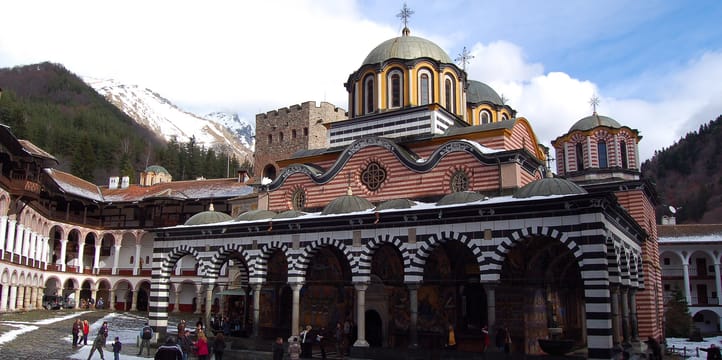
Rila Monastery, at an altitude of 1,147 metres, has been on the Unesco World Heritage List since 1983. According to tradition, it was founded in the 10th century by the disciples of a hermit, Saint John of Rila. A fire destroyed it in 1833. It was rebuilt from 1834 to 1862 around Hrelyu’s Tower, built in 1334–1335. The church’s frescoes, completed in 1846, are the work of several masters, including Zahari Zograf.
This rebuilding dates from the National Revival: mainly in the 19th century, under Ottoman rule, Bulgarians opened schools and wealthy merchants paid for churches. Zograf also painted the frescoes at Troyan Monastery, where Vasil Levski, leader of the underground struggle, would later hide.
Koprivshtitsa has 383 monuments from this period. The uprising of April 1876 began here. It was crushed within weeks, but the massacres outraged Europe. Then came the Russo-Turkish War of 1877–1878.
At Golyama Kosmatka, you walk into the real tomb.
The Thracians and their tombs
Around Kazanlak, the plain is dotted with tumuli, artificial hills raised by the Thracians. The Tomb of Kazanlak, from the 4th century BC, is on the Unesco list. Its paintings show a couple at a funeral banquet, musicians and a chariot race. The tomb is closed: you visit a full-size copy, right next to it.
At Golyama Kosmatka, you walk into the real tomb. Found in 2004 near Shipka, it has a 13-metre corridor, two antechambers and a chamber cut from a 60-tonne block of granite. It is attributed to Seuthes III, a Thracian king, but this attribution is disputed.
Devetashka Cave
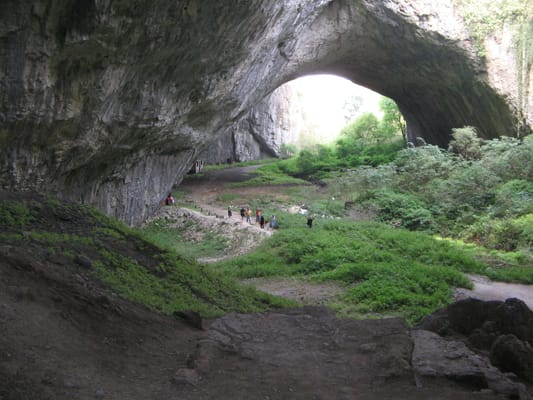
A giant arch leads to a chamber about 60 metres high, lit by large openings in the roof. The cave is home to nearly 30,000 bats and closes for part of the year to protect them: the dates vary between sources, so ask in Lovech.
Practical notes
- When to go
- May–June for the roses, with the Kazanlak festival in early June, or September–October. In winter and up to April, snow can close the passes.
- Getting there
- Sofia has an international airport linked to the centre by metro. By road, you arrive from Serbia through Kalotina, an hour from Sofia.
- Access
- Everything is tarmac. The ridge road between Buzludzha and the Shipka Pass is closed all winter: you then go up by the south side.
- Sleeping in a van
- A few campsites: check they are open before you leave. Veliko Tarnovo has a municipal car park equipped for motorhomes, near Tsarevets. Wild camping is banned in national and nature parks.
- Worth knowing
- An electronic vignette is compulsory up to 3.5 tonnes, from bgtoll.bg. In recent winters, from December to February, older vehicles were banned from central Sofia: check the rule for the year or park outside the centre. Payment has been in euros since January 2026.
- Allow
- Eight days for the loop, half a day more for Devetashka or Bachkovo Monastery, near Plovdiv.
What not to miss
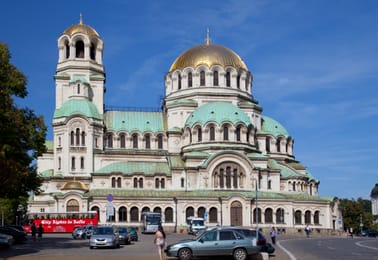
- 1Central SofiaThe Alexander Nevsky Cathedral, completed in 1912, and the Roman streets of Serdica, uncovered during work on the metro.
- 2Boyana ChurchFrescoes from 1259, seen in groups of eight, for ten minutes.
- 3Plovdiv’s Roman theatreUncovered from 1968 to 1979, it still hosts concerts and shows in summer.
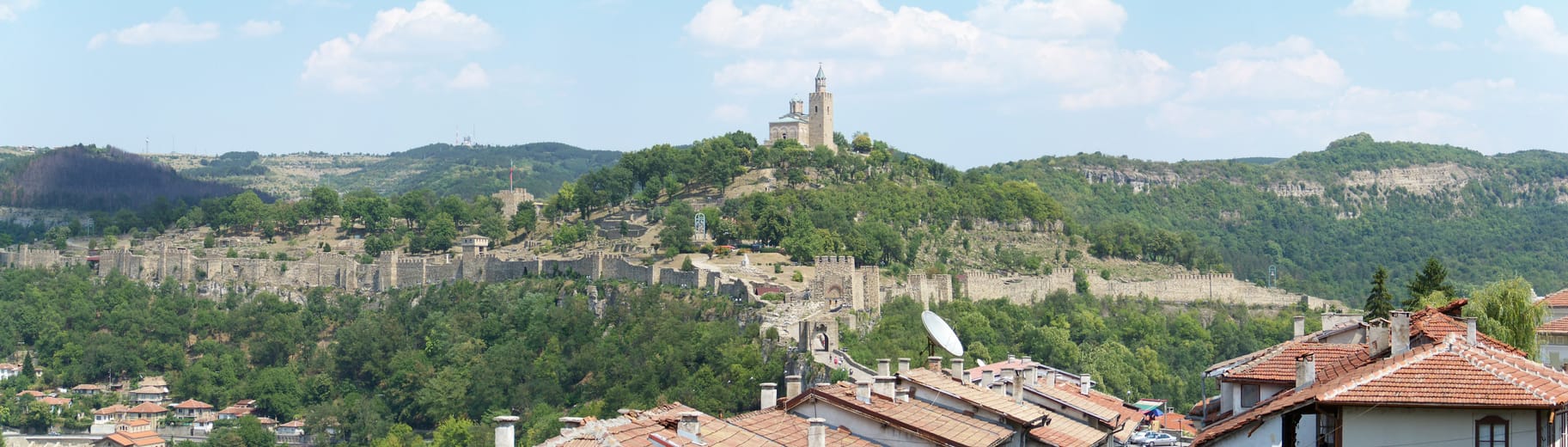
- 4TsarevetsThe fortress of the Second Bulgarian Empire, which fell on 17 July 1393, and, at the top, a rebuilt church, painted in 1985.
- 5The Shipka MonumentThis 31.5-metre tower, opened in 1934 for the defenders of the pass, is closed for works, in principle until 2029: you see it from the outside.
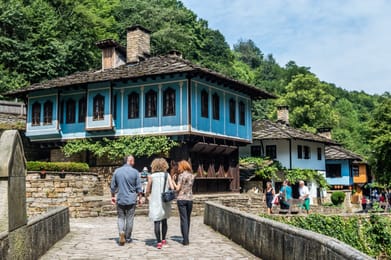
- 6EtarAn open-air museum opened in 1964 near Gabrovo, with around twenty traditional crafts.
Classic Bulgaria in pictures
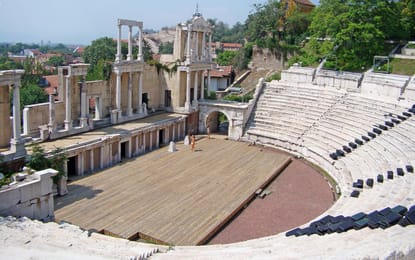
Plovdiv’s Roman theatre seen from the tiers, its columned stage and the city behind.
The Bulgarian table
In restaurants, you often start with shopska salad, made with tomatoes, cucumber, peppers and brined cheese, or with tarator, a cold soup of yoghurt and cucumber. Banitsa is a flaky cheese pastry, and kebapche a grilled sausage of minced meat.
Rakia, a grape or plum brandy, is drunk as an aperitif. The Thracian Plain, around Plovdiv, produces red wines, including mavrud. In Kazanlak, you can take home rose oil or rose jam.
Loop from Sofia
 +23stops
- 1Свети Георги · „Света София“ · Свети Александър Невски
- 2Боянска църква · Стобски пирамиди · Рилски манастир „Свети Йоан Рилски“
- 3Старинен Пловдив · Небет тепе · Античен стадион
You start from this trip’s places and make it your own.
Also worth reading
Mountains and passes
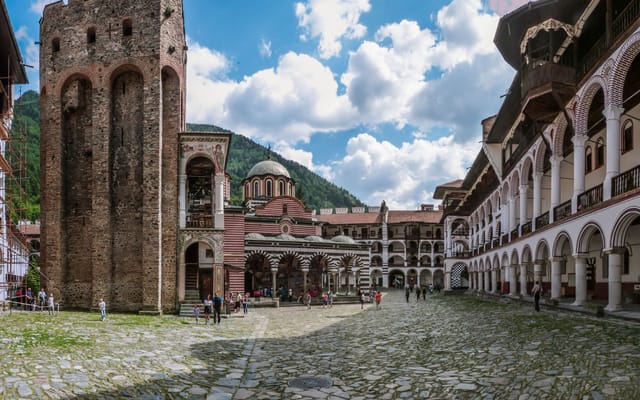
Rila and Pirin, from Rila Monastery to Melnik
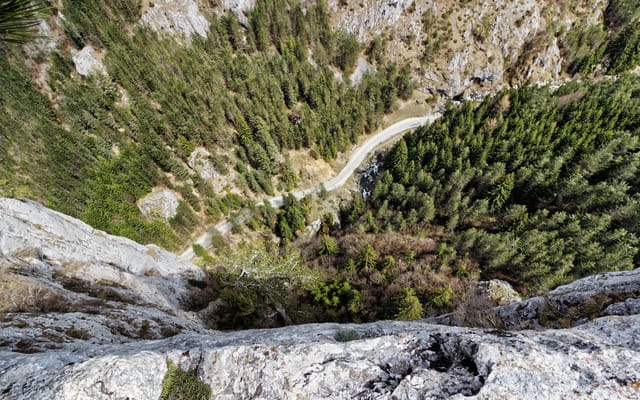
South of Sofia, Bulgaria’s two highest mountain ranges, with Rila Monastery, Bansko, villages with stone roofs and the sand cliffs of Melnik. Six days on a loop from Sofia, on mountain roads that are often slow.
Wide open spaces
The Rhodopes, from Plovdiv to Perperikon
A mountain range covered in forest, with marble gorges and sanctuaries carved into the rock, in the south of Bulgaria. A week on a loop from Plovdiv, from the caves of Trigrad to Perperikon.
Coast and islands
The Bulgarian Black Sea coast, from Varna to Sinemorets
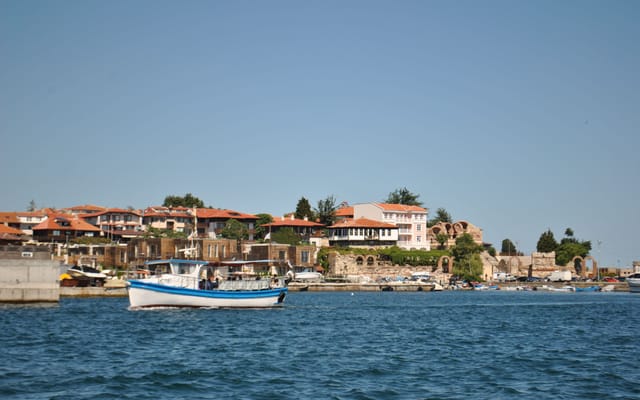
Red cliffs in the north, two Greek cities in the centre, forests and the Turkish border in the south. Six days along the Bulgarian coast: you start from Varna and leave from Burgas.
A starting point, a few wishes — ViaLooma builds the trip day by day, map, stops and roadbook included.