Roadbook · by ViaLooma
Loop from Evora
Featured in Inland Alentejo, from Évora to the ramparts of Marvão
The route — Évora · loop
Day 1 Évora 4 stops · 39 km · ≈ 1h16
01 Archaeology
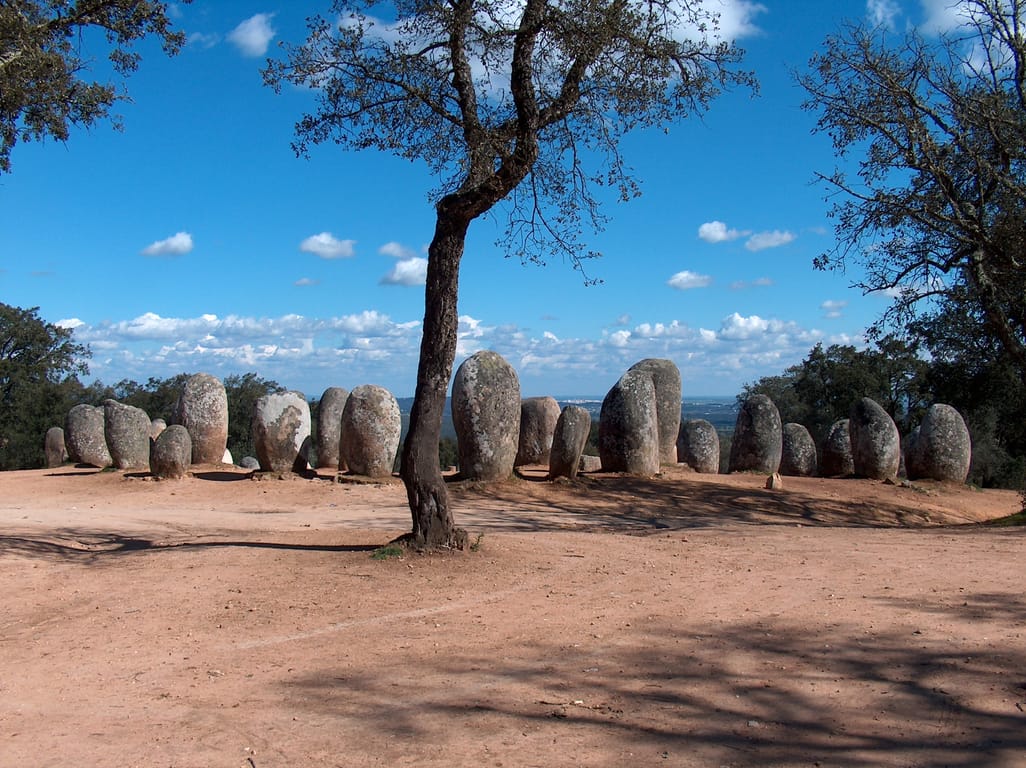
Almendres Cromlech
Cromeleque dos Almendres
Évora · 18 km · 31 min
AI contentWalk among some 95 granite monoliths, the largest group of menhirs on the Iberian Peninsula, arranged in ellipses. The first date back to the 6th millennium BC, and a few stones still bear engraved circles and lines. Set apart, a lone menhir roughly marks the sunrise at the winter solstice.
02 Archaeology
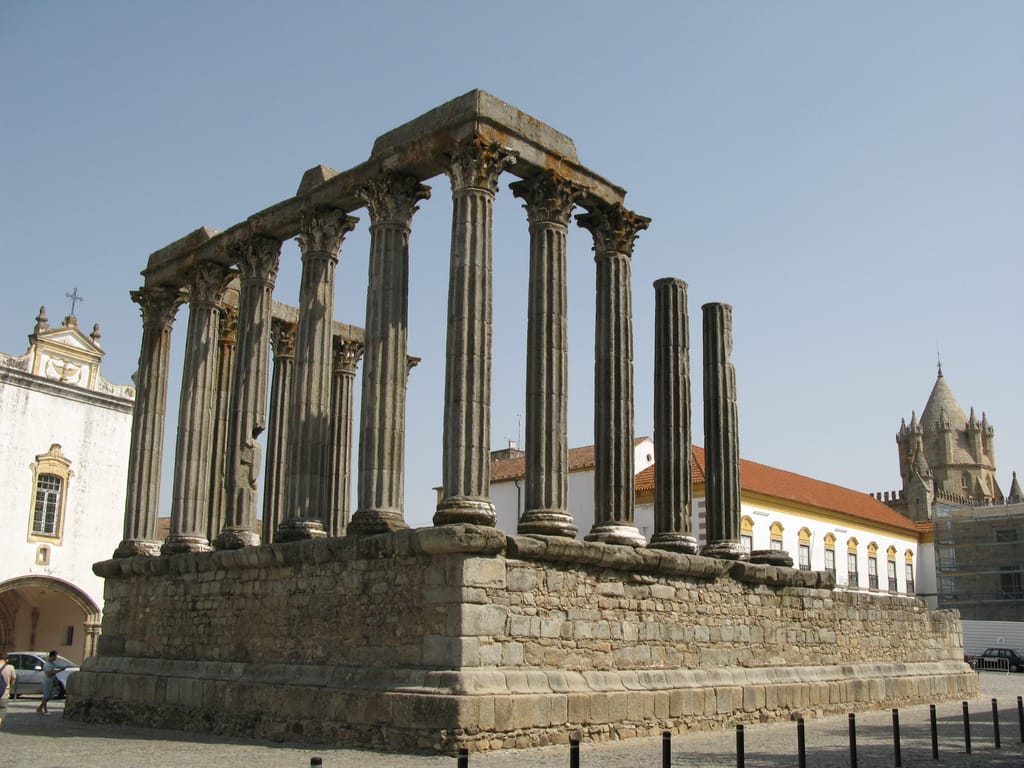
Roman Temple of Évora
Templo romano de Évora
Évora · 19 km · 35 min
AI contentAt the highest point of the Roman town, the Temple of Évora, wrongly attributed to Diana, keeps 14 Corinthian columns on its podium. Their granite shafts carry acanthus capitals in white Estremoz marble, carved by unequal hands. Walk around the podium to the north side, where six intact columns retain pieces of architrave.
03 Church
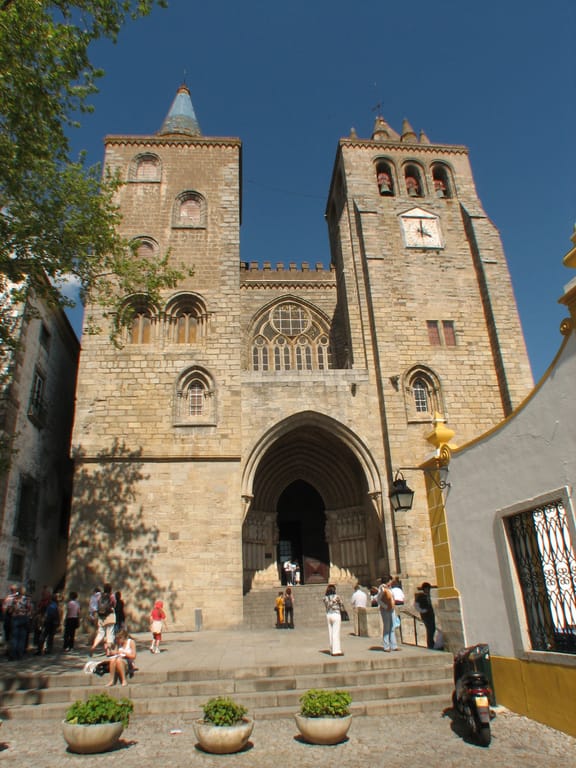
Cathedral of Évora
Sé Catedral de Évora
Évora · 1 km · 5 min
AI contentAt the highest point of Évora, the largest medieval cathedral in Portugal raises two massive towers of pink granite. Its portal is adorned with large statues of apostles carved in the 1330s, a Gothic ensemble of free-standing figures rare in Portugal. Then look up at the lantern tower, ringed by six turrets that repeat it in miniature.
04 Church
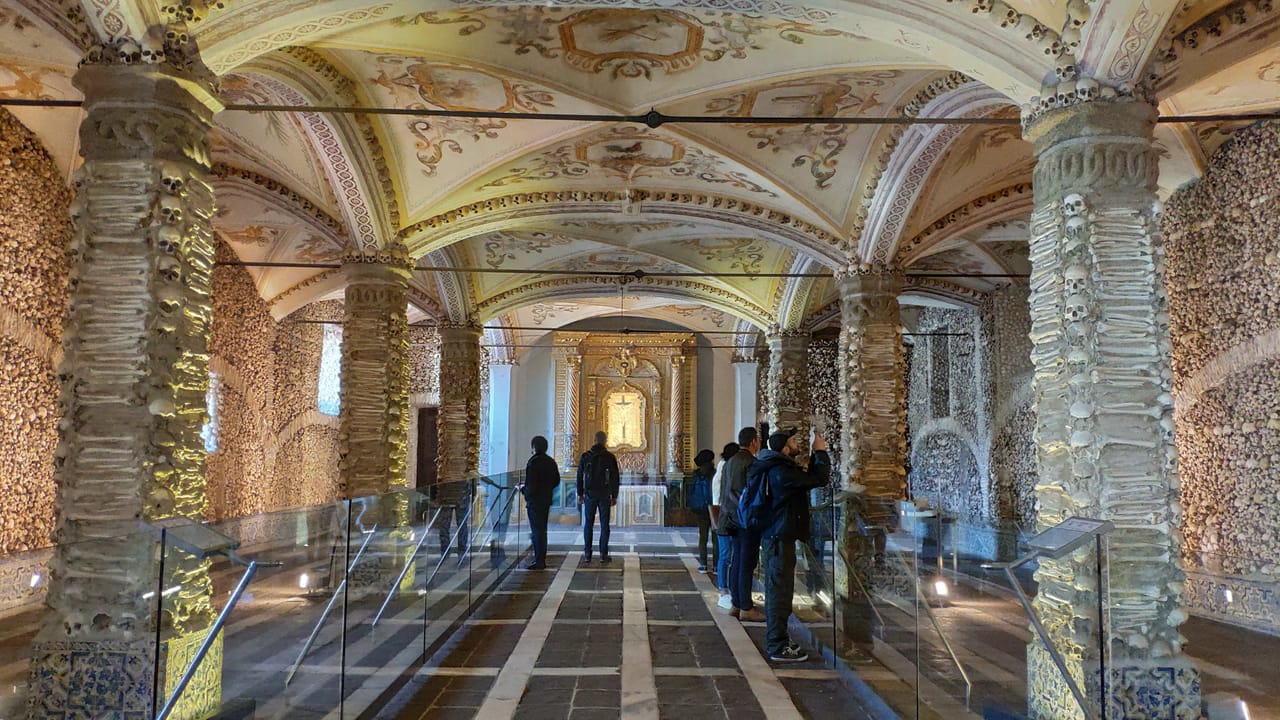
Capela dos Ossos
Évora · 1 km · 5 min
AI contentIn the 16th century, Franciscans in Évora emptied the town's overflowing cemeteries to line this chapel with rows of skulls and long bones. Some 5,000 skeletons thus cover walls and pillars, in a half-light filtered through four narrow openings. From the threshold, read the warning of the bones that await your own.
The night — Booking, Park4night or Airbnb
Day 2 Vidigueira → Mértola 3 stops · 142 km · ≈ 2h18
05 Archaeology
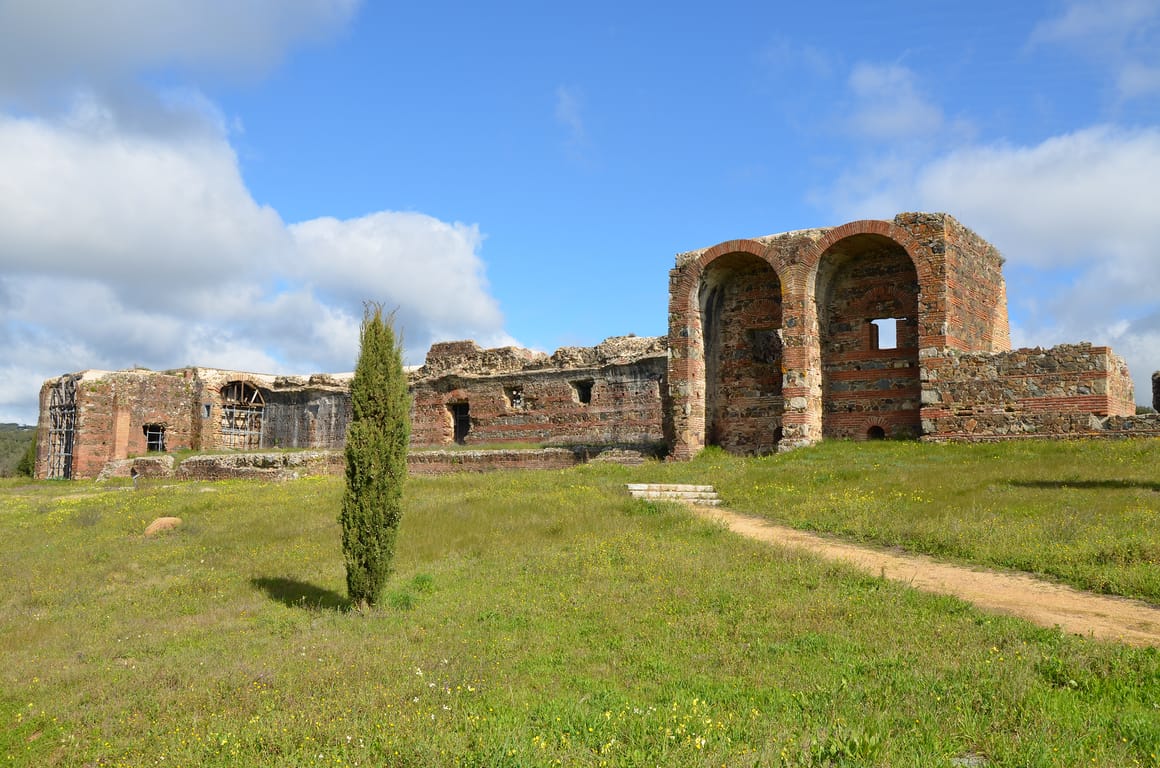
Roman ruins of São Cucufate
Sítio Arqueológico de São Cucufate
Vidigueira · 60 km · 1h
AI contentUnusually, this Roman villa rises on two levels, with the storerooms and the press below and the master's house above. Its temple became an early Christian basilica and the house sheltered two monasteries, which explains its remarkable state of preservation. Walk round the villa to see the round arches that carried the rear gallery.
06 Castle
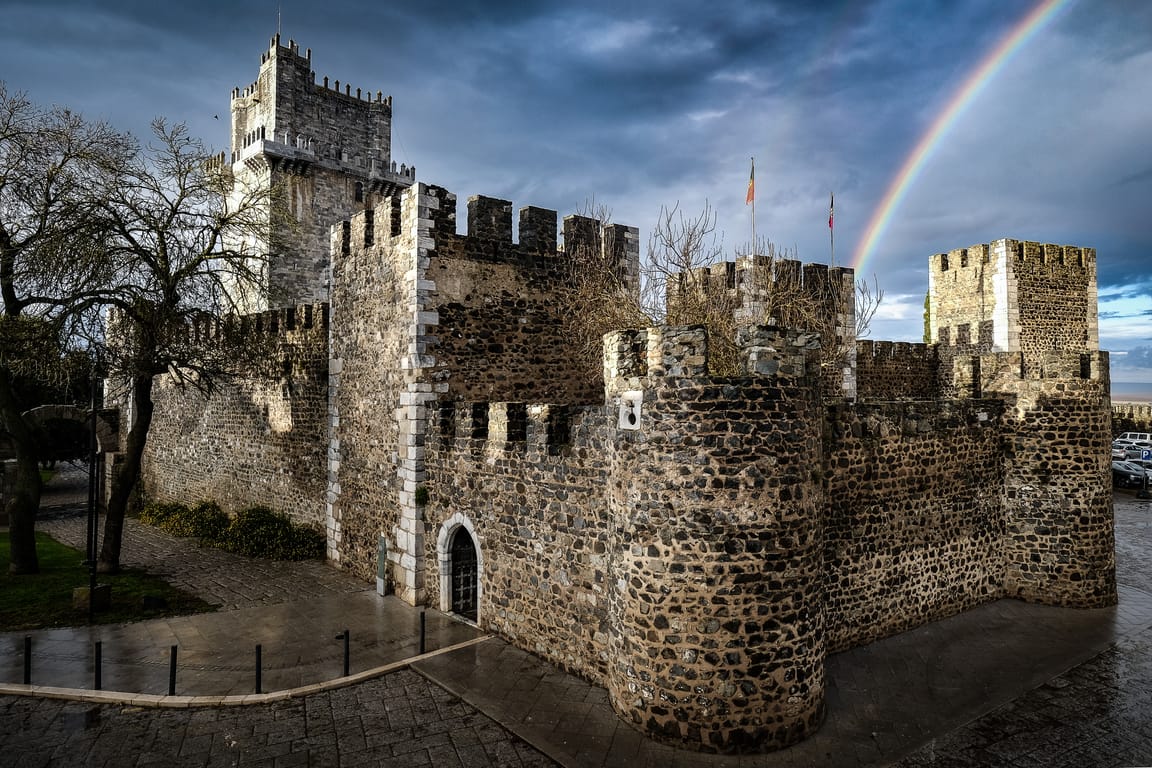
Castle of Beja
Castelo de Beja
Beja · 29 km · 31 min
AI contentBegun under Dinis in 1310, the keep of Beja dominates the town and reopened in 2016 after part of its merlons fell. Climb to the top to see the Alentejo plain stretching out all around. Within the walls, the Casa do Governador houses sculptures by Jorge Vieira.
07 Castle
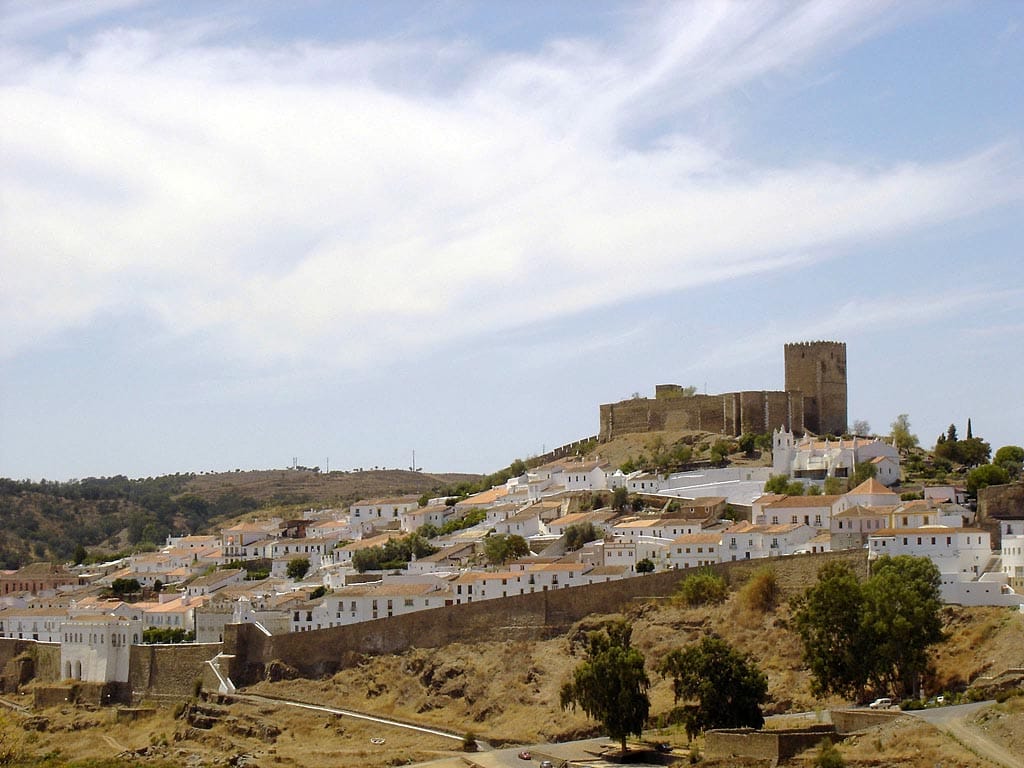
Castle of Mertola
Castelo de Mértola
Mértola · 53 km · 47 min
AI contentMértola was among the strongest fortresses of Gharb al-Andalus, where the Guadiana ceased to be navigable. Climb from the church, a former mosque, up to the alcáçova above it, and watch the river glide past the foot of the walls. Retaken by the Christians in 1238, the fortress was rebuilt while keeping a large part of the Islamic works.
The night — Booking, Park4night or Airbnb
Day 3 Mértola → Reguengos de Monsaraz 4 stops · 150 km · ≈ 2h46

08 Village
São Domingos Mine
Mina de São Domingos
Mértola · 18 km · 22 min
AI contentWorked from Roman times and then intensively until the 1960s, this mine left behind a vast flooded pit and a workers' village. The acidic waters, tinged red and ochre, recall the damage left by the slag. From the path, look at the ruins of Achada do Gamo, where the ore was processed before reaching the Guadiana.
09 Castle
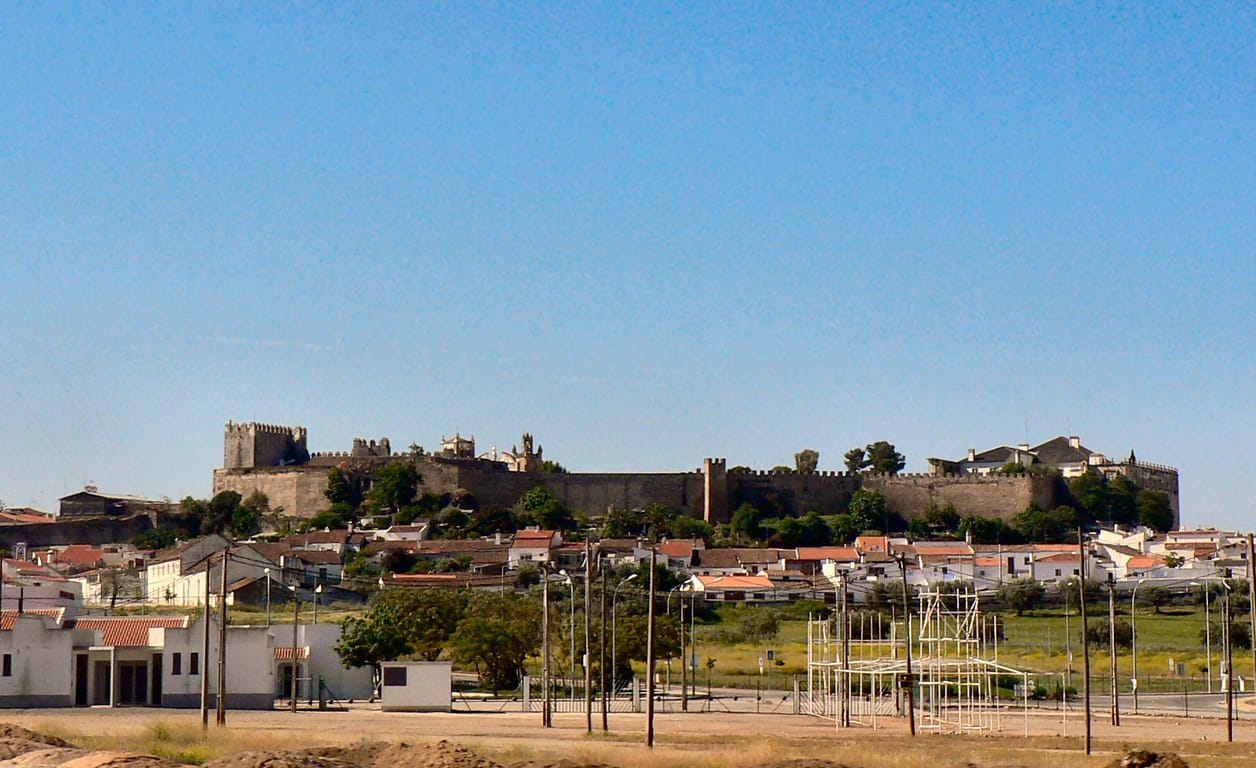
Castle of Serpa
Castelo de Serpa
Serpa · 37 km · 41 min
AI contentAbove Serpa, after the charter of 1295, Dinis rebuilt the old Muslim fortress, keeping part of its rammed-earth walls. In 1707, the Spanish troops of the Duke of Osuna blew up the powder magazine as they left, and a tower collapsed. Pass through the entrance looking up at the huge section of wall still leaning overhead.
10 Monument
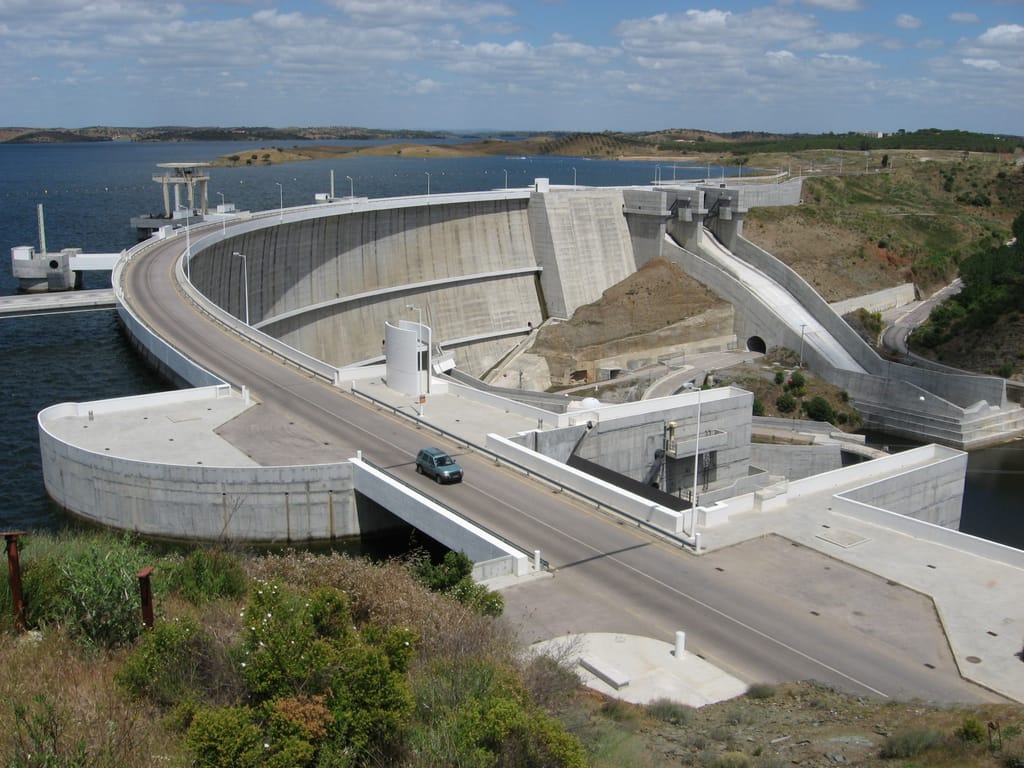
Alqueva Dam
Barragem de Alqueva
Moura · 44 km · 48 min
AI contentClosed in February 2002, the Alqueva floodgates turned the Guadiana into a reservoir able to cover 250 square kilometres, the largest artificial lake in Western Europe. The submerged village of Luz was rebuilt elsewhere for its inhabitants. From the shore, gauge the 96-metre-high concrete curve that holds back these waters.
11 Castle
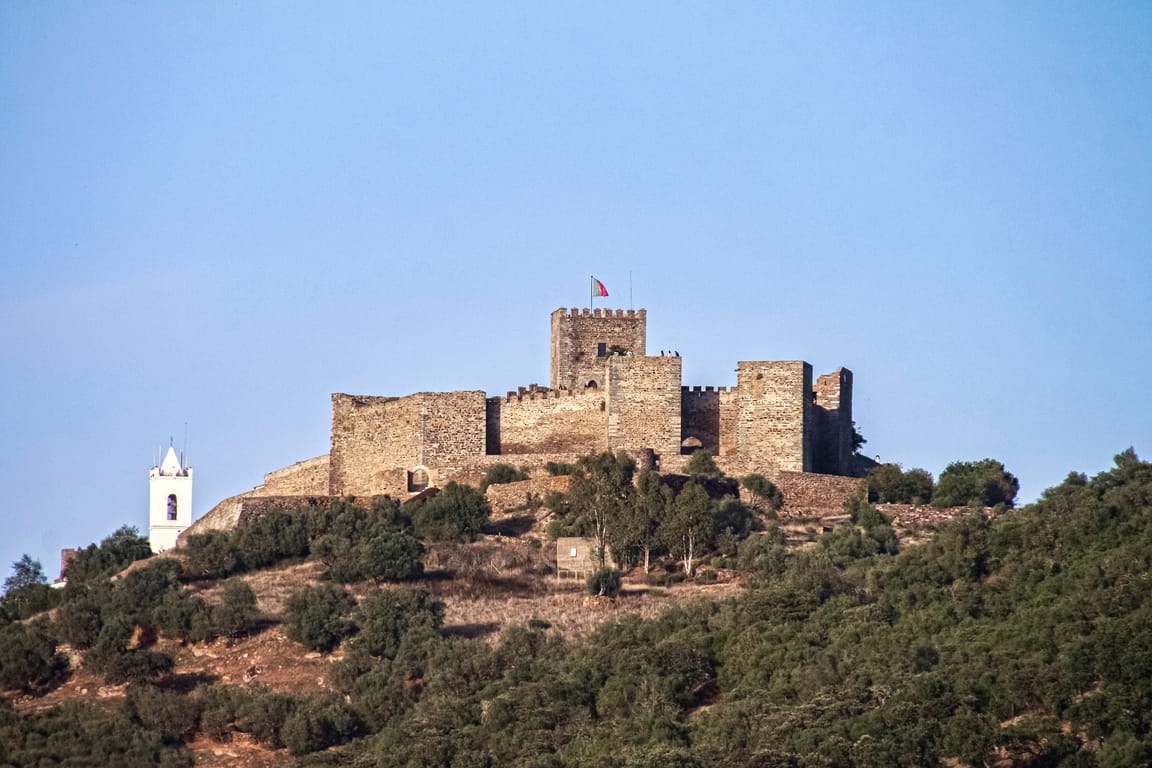
Castelo de Monsaraz
Reguengos de Monsaraz · 51 km · 55 min
AI contentOn its hill above the Guadiana, Monsaraz keeps a schist castle whose keep was rebuilt under Dinis from 1310. In 1830, the townspeople took materials from the parade ground to build a bullring, still set within the walls. Go up to the parapet to see the Alqueva lake stretching towards Spain.
The night — Booking, Park4night or Airbnb
Day 4 Alandroal → Elvas 4 stops · 83 km · ≈ 1h31
12 Castle
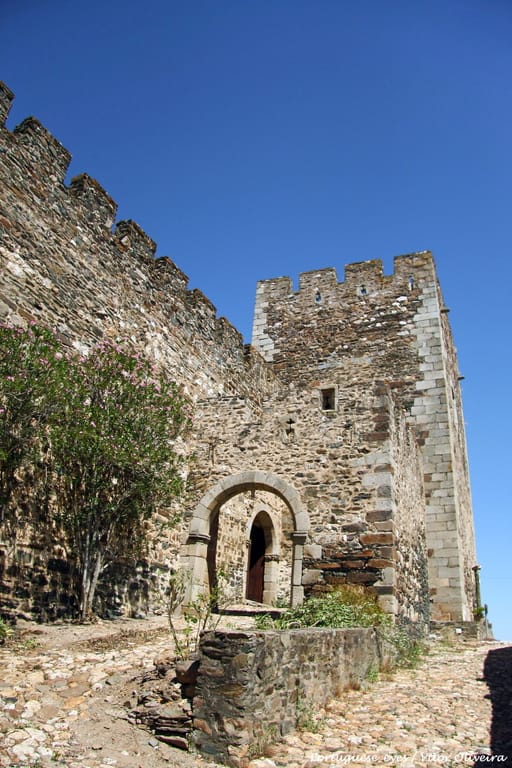
Castle of Terena
Castelo de Terena
Alandroal · 28 km · 31 min
AI contentClimb to the top of the hill, where this castle held the Guadiana line together with Juromenha, Alandroal, Monsaraz and Mourão. Its irregular pentagonal enclosure, flanked by four round towers, protects a square keep and a bent entrance attributed to the Arruda brothers around 1514. Every year, a medieval tournament is re-enacted here.
13 Museum
Ducal Palace of Vila Viçosa
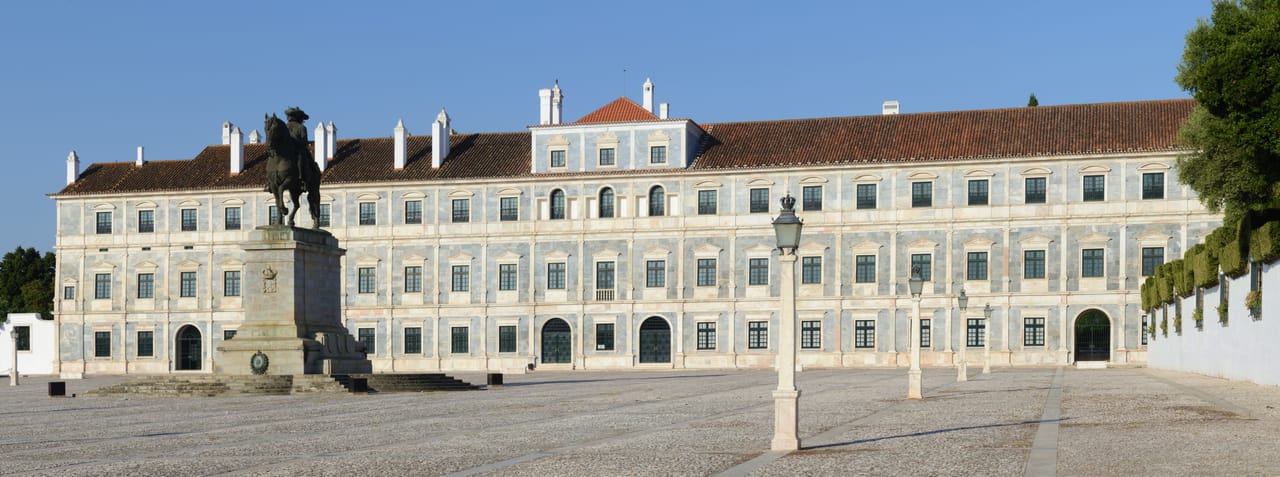
Paço Ducal de Vila Viçosa
Vila Viçosa · 20 km · 21 min
AI contentFor centuries, this Alentejo palace was home to the Braganzas, rulers of Portugal from 1640 to 1910. Step back across the square to take in the marble façade, punctuated by Tuscan then Ionic capitals. On 1 February 1908, King Carlos I left from here for Lisbon, where he was assassinated the same day.
14 Monument
Amoreira Aqueduct
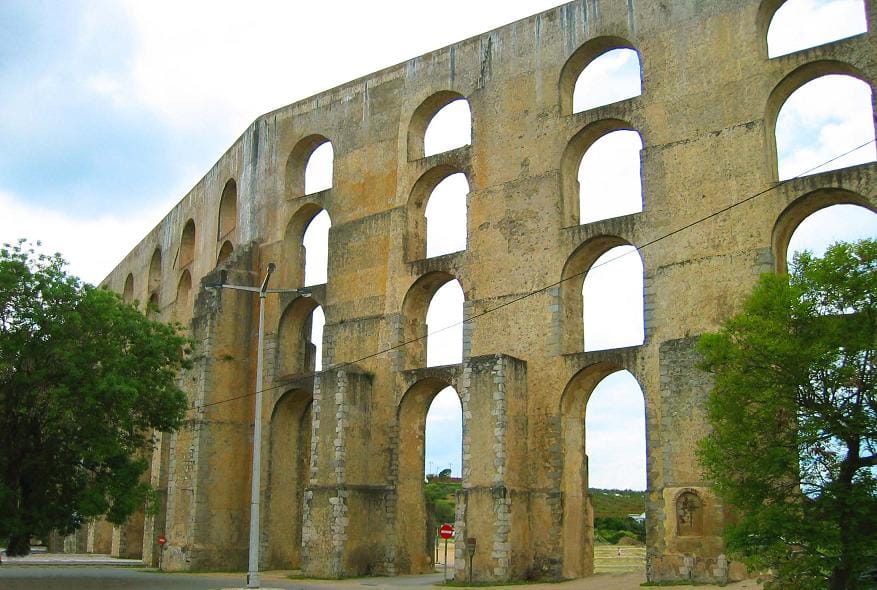
Aqueduto da Amoreira
Elvas · 32 km · 33 min
AI contentBegun in 1529 and often interrupted for lack of money, the aqueduct carried water to Elvas from the Amoreira spring, some eight kilometres away. The water reached the town in 1620, before the Misericórdia fountain was inaugurated in 1622. Follow with your eyes the line of its arches across the Alentejo countryside.
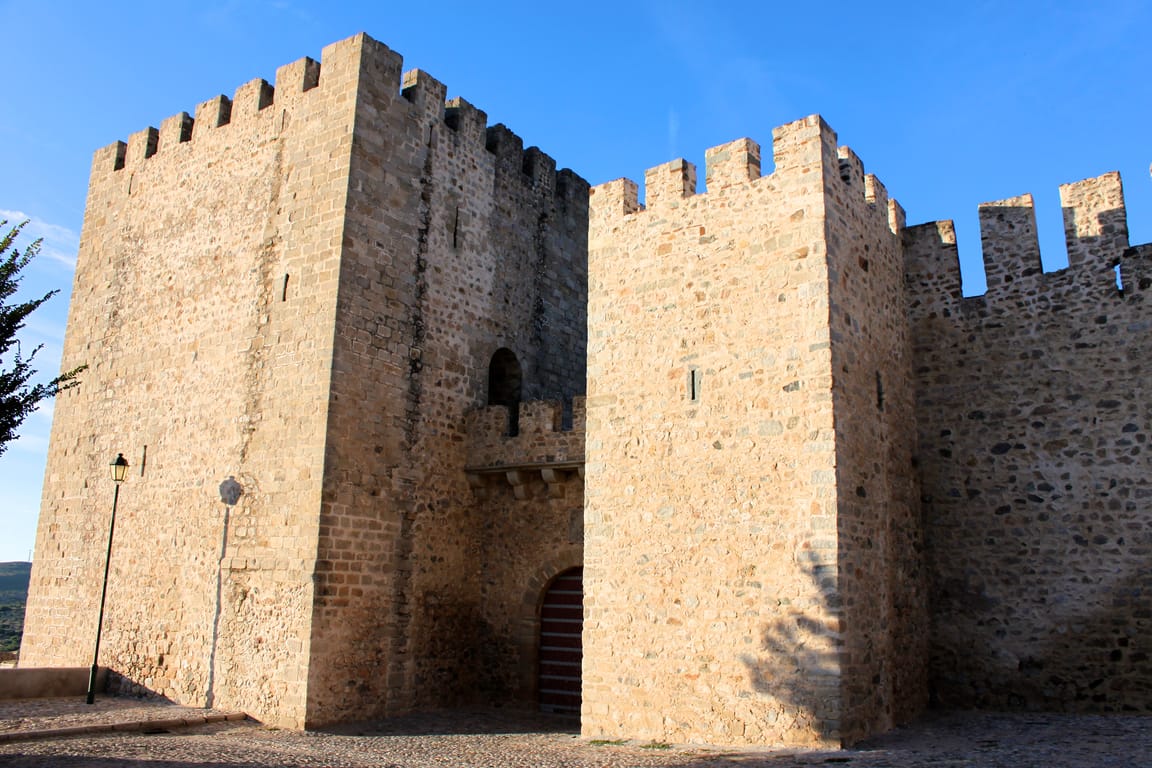
15 Castle
Castle of Elvas
Castelo de Elvas
Elvas · 3 km · 6 min
AI contentAt the top of Elvas, at 320 metres, this castle still keeps sections of the walls built by the Muslims. Over the entrance gate you'll recognise the arms of John II, who had the keep rebuilt in 1488. The country's first classified national monument, in 1906, it overlooks a fortified town listed by UNESCO.
The night — Booking, Park4night or Airbnb
Day 5 Elvas → Marvão 4 stops · 83 km · ≈ 1h30
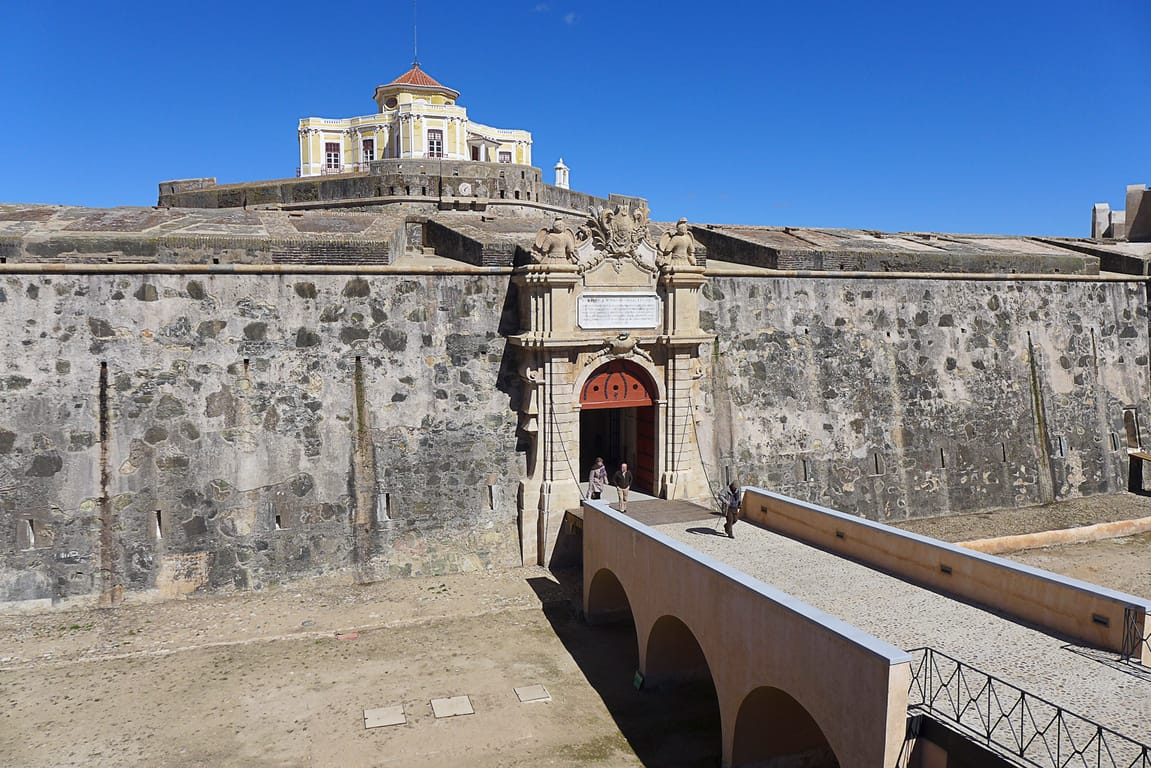
16 Archaeology
Nossa Senhora da Graça Fort
Forte de Nossa Senhora da Graça
Elvas · 4 km · 8 min
AI contentLook up at Monte da Graça: Count Lippe had its summit crowned with a fort designed to be impregnable, completed in 1792. Four pentagonal bastions flank its square plan, around a circular keep. Above the Dragon Gate, two stone cannons recall the Spanish guns that bombarded Elvas from this summit.
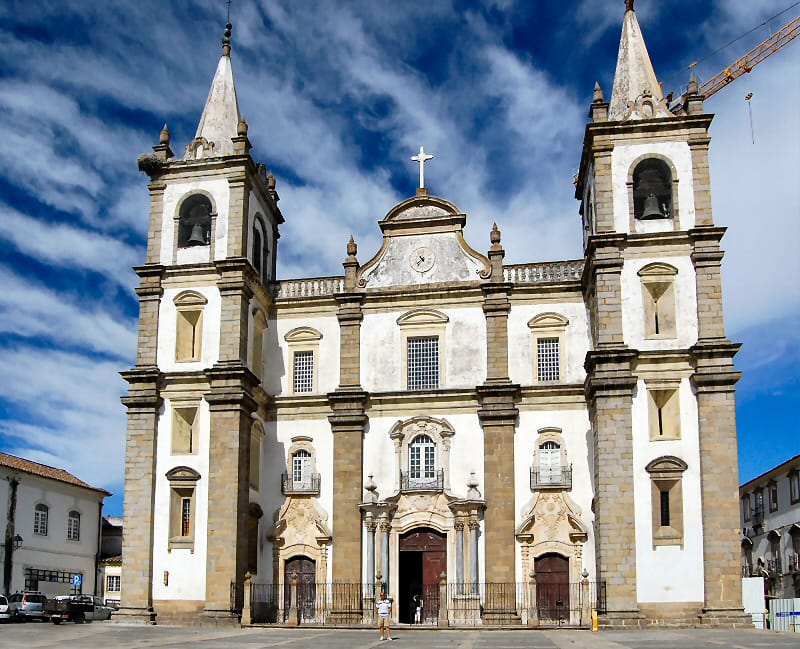
17 Church
Sé de Portalegre
Portalegre · 59 km · 56 min
AI contentDesigned by Afonso Álvares, Portalegre cathedral was begun in 1556 on the initiative of Bishop Julião de Alva. Reopened in 2023 after restoration, it reveals rediscovered wall paintings from the sixteenth to the eighteenth century. Linger in front of its marble pulpits and the screen of the same material that closes off the choir.
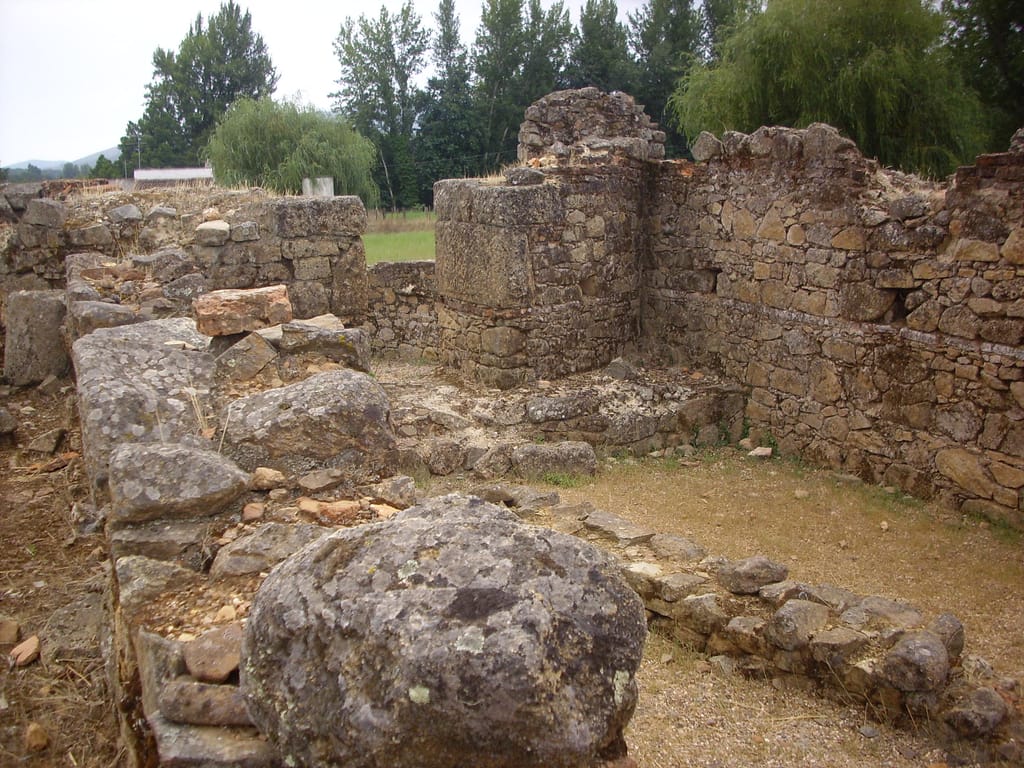
18 Museum
Roman villa of Ammaia
Ammaia
Marvão · 15 km · 18 min
AI contentIn the hollow of a valley in the Serra de São Mamede, Ammaia was a Roman city of Lusitania, abandoned for Marvão, perched higher up. Follow the Cardo Maximus from the south gate to the paved square of the forum. Identified in 1935 by Leite de Vasconcelos, it had been supplying its stones to the churches of Portalegre since the 16th century.
19 Castle
Castle of Marvão
Castelo de Marvão
Marvão · 5 km · 8 min
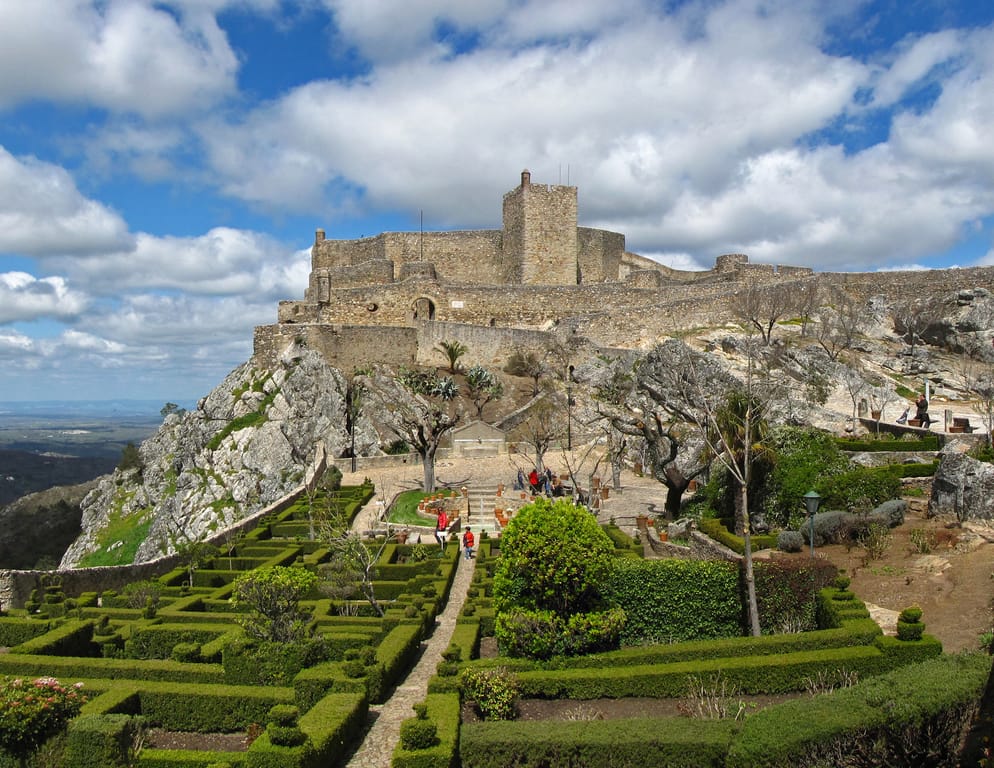
AI contentOn a granite ridge of the Serra de São Mamede, Marvão castle is attributed to Ibn Marwan in the 9th century. Follow its ramparts up to the keep built under Dinis, from where the view stretches far over the Spanish border. Its walls hug the rock and withstood Spanish assaults in 1641 and 1648.
The night — Booking, Park4night or Airbnb
Day 6 Castelo de Vide → Evora 3 stops · 137 km · ≈ 2h29
20 Church
Synagogue of Castelo de Vide
Sinagoga Medieval de Castelo de Vide
Castelo de Vide · 9 km · 14 min
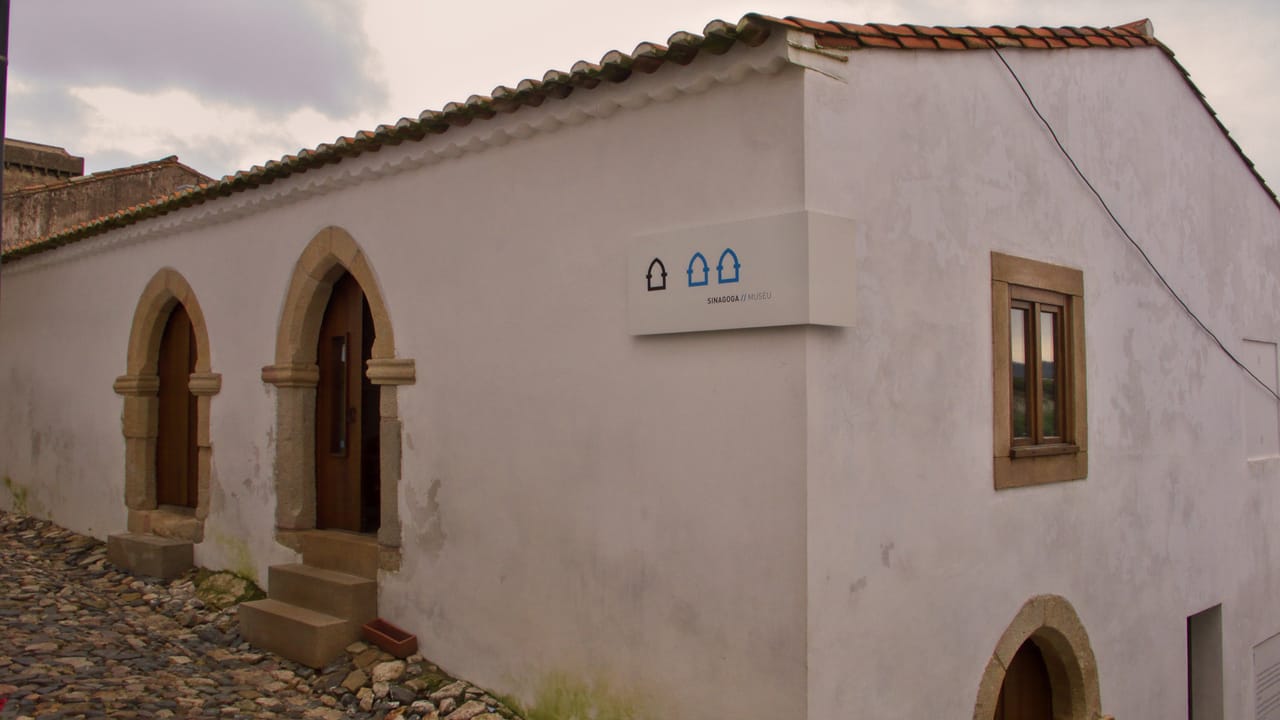
AI contentOn the corner of Rua da Judiaria, this late 14th-century house holds one of the two medieval synagogues in Portugal. Three pointed-arch doorways and the notch of a mezuzah betray a place built to stay discreet. In the small museum opened in 2019, you'll find the Torah ark rediscovered in 1972.
21 Castle
Castle of Estremoz
Castelo de Estremoz
Estremoz · 76 km · 1h09
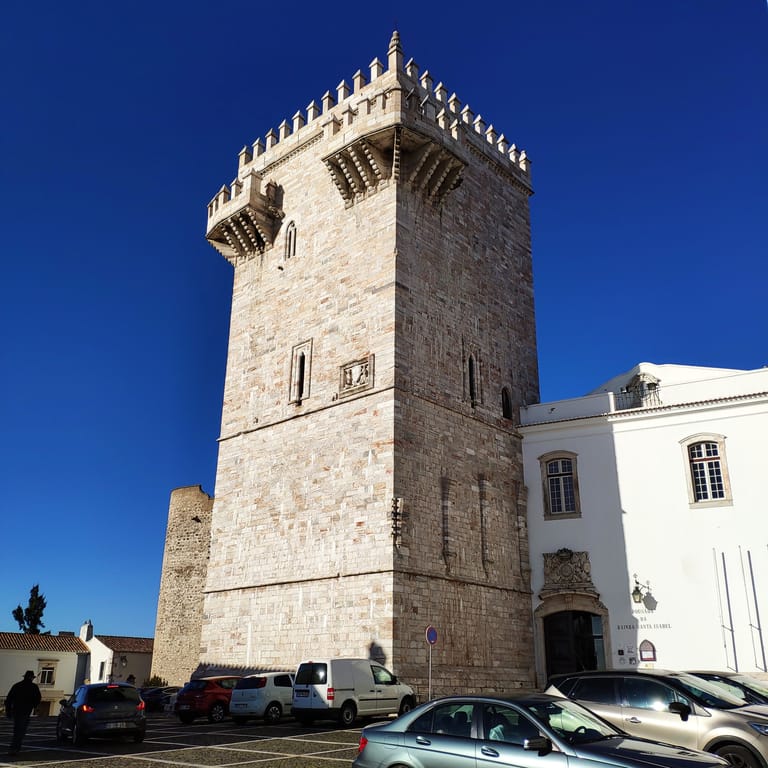
AI contentIn the royal palace of Estremoz, built by King Dinis near the castle, the holy queen Isabel died in 1336. Pick out the keep, raised around 1260 on the hill and completed around 1370. After the victories over Spain, the regent Luísa de Gusmão turned the saint's apartments into a chapel.
22 Castle
Castle of Evoramonte
Castelo de Évora Monte
Estremoz · 18 km · 26 min
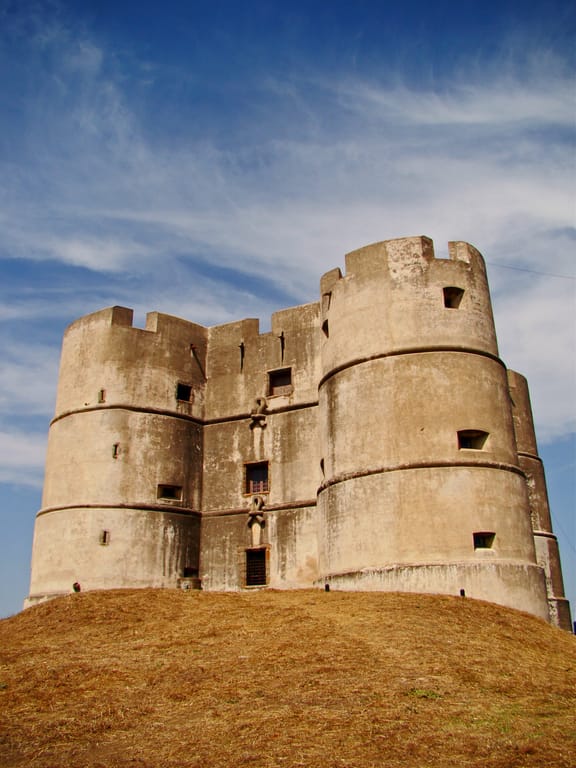
AI contentOn an escarpment of the Serra d'Ossa, the keep of Évora Monte gathers its four round towers into a massive block. Follow the carved rope that girdles its three storeys, Francisco de Arruda's Manueline signature. Here, on 26 May 1834, the convention that ended the Liberal Wars was signed.
Back to Evora · 34 km · 40 min