Roadbook · by ViaLooma
Loop from Avignon
Featured in Provence, from the Alpilles to the Verdon Gorge
The route — Avignon · loop
Day 1 Avignon → Saint-Rémy-de-Provence 2 stops · 27 km · ≈ 45 min
01 Museum
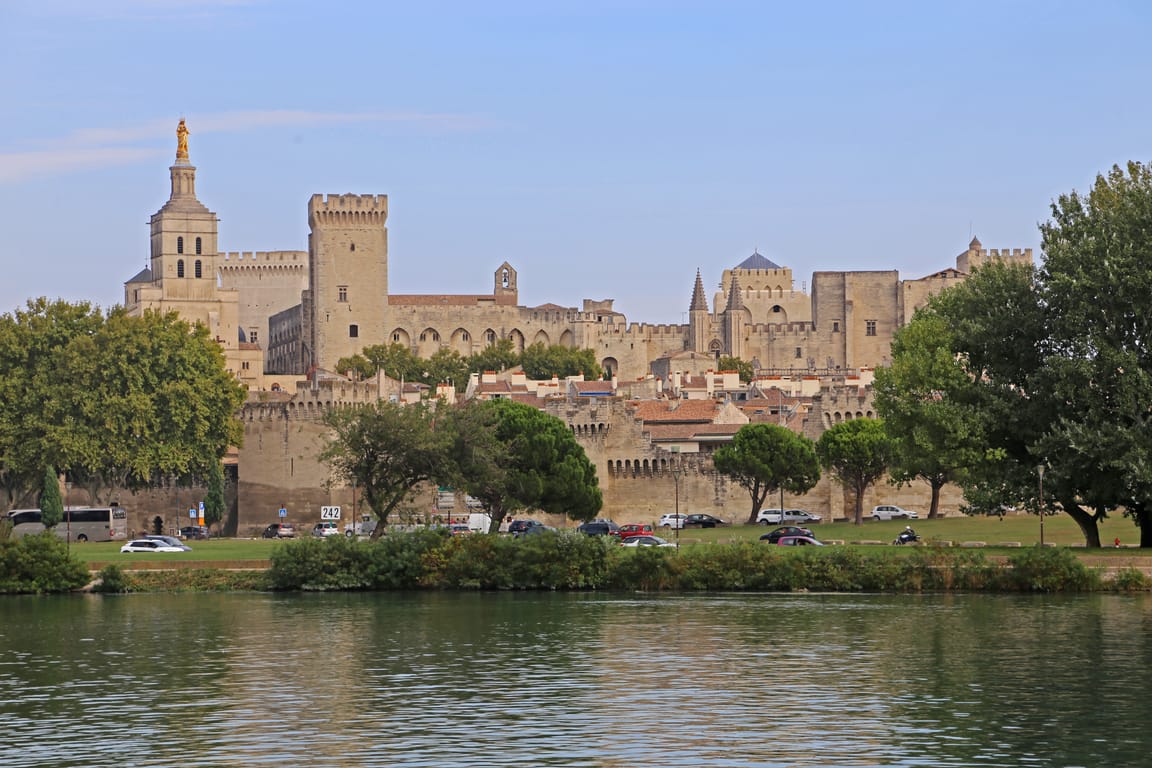
Palais des papes
Avignon (84000) · 0 km · 3 min
AI contentIn the 14th century, the popes made this Gothic palace, as much fortress as residence, the heart of Western Christendom. Set against the Rocher des Doms, you can make out two interlocking palaces, that of Benedict XII and that of Clement VI. Six conclaves were held here, and its bulk is visible from Villeneuve-lès-Avignon, across the Rhône.
02 Archaeology
Glanum
Saint-Rémy-de-Provence (13210) · 27 km · 42 min
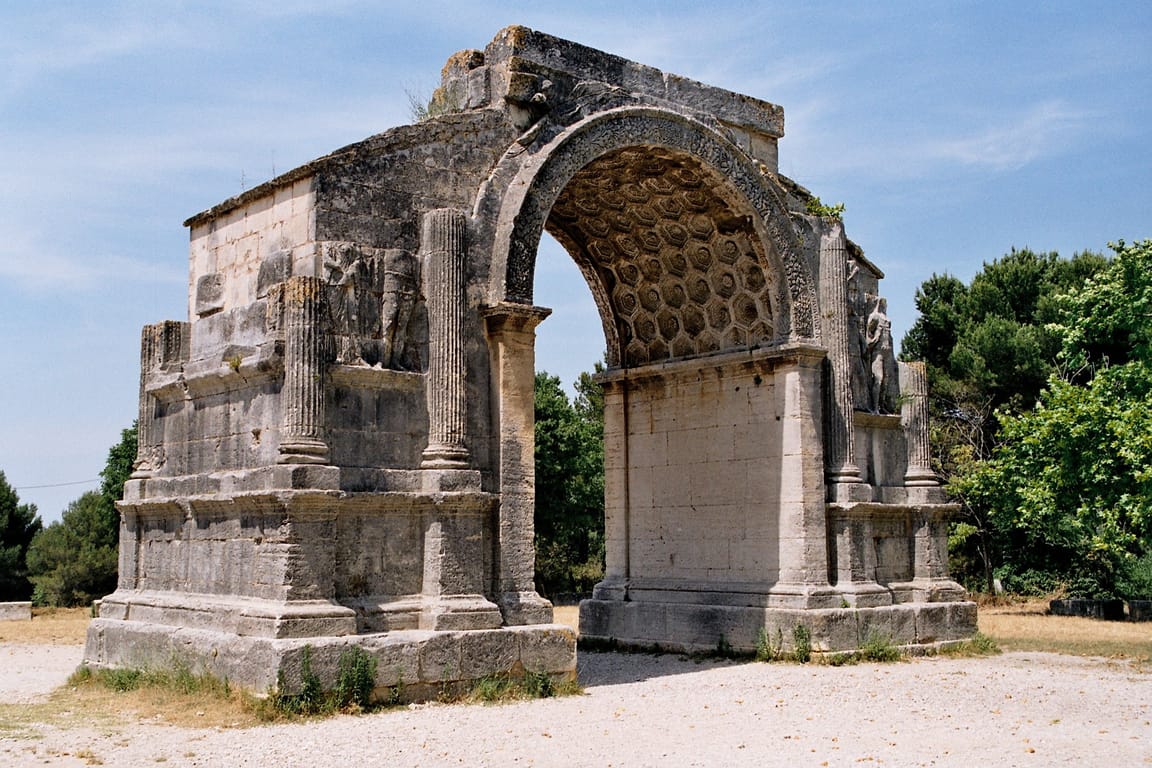
AI contentAt the threshold of a gorge in the Alpilles, a sacred spring dedicated to the Gaulish god Glan saw the birth of a Celtic town, then a Greek-looking one, and finally a Roman one. Explore its remains, where peristyle houses, a bouleuterion, temples, baths and a forum follow one another. Just opposite, across the road, the arch and the cenotaph of the Julii still stand.
The night — Booking, Park4night or Airbnb
Day 2 Les Baux-de-Provence → Arles 3 stops · 30 km · ≈ 52 min
03 Village
Les Baux-de-Provence
Les Baux-de-Provence (13520) · 9 km · 12 min
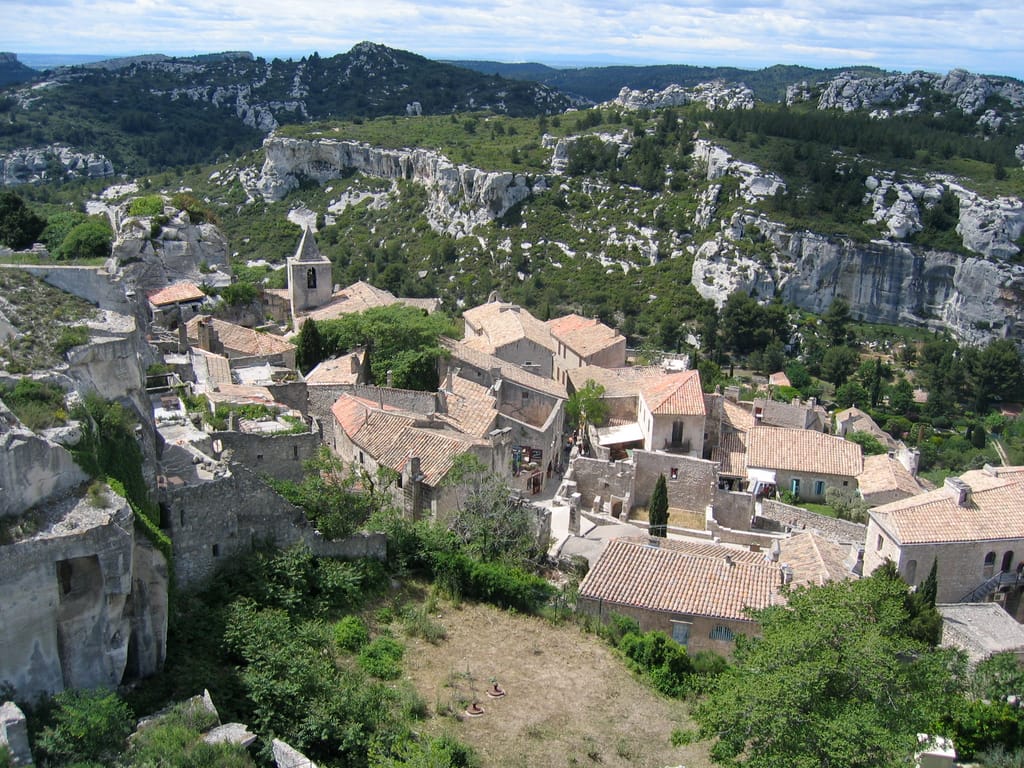
AI contentOn a rocky spur of the Alpilles, Les Baux rises 200 metres above a countryside of olive groves. At the top, the castle ruins open views towards Arles and the Camargue, and only twenty-two residents still live within the walls. Look above the cliffs for Bonelli's eagle, which nests in the massif.
04 Archaeology
Arles Amphitheatre
Arènes d'Arles
Arles (13104) · 19 km · 31 min
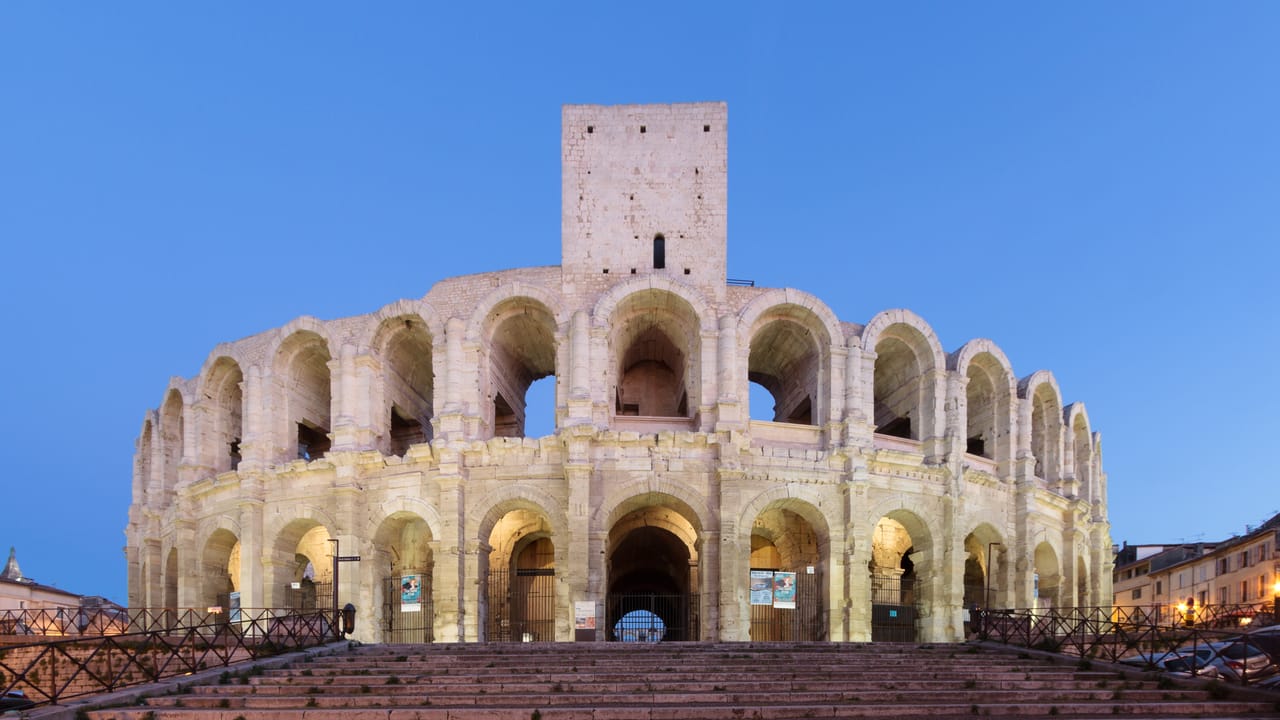
AI contentBuilt under the emperor Domitian, the amphitheatre lines up two tiers of sixty arcades and could hold 25,000 spectators. Look above the arcades for the towers of the Middle Ages, when more than two hundred houses crowded inside as a fortified town. Emptied of its inhabitants in the nineteenth century, it has hosted since 1830 the bullfights that earned it its name of arena.
05 Church
Church of St. Trophime, Arles
Ancienne cathédrale Saint-Trophime à Arles
Arles (13104) · 2 km · 9 min
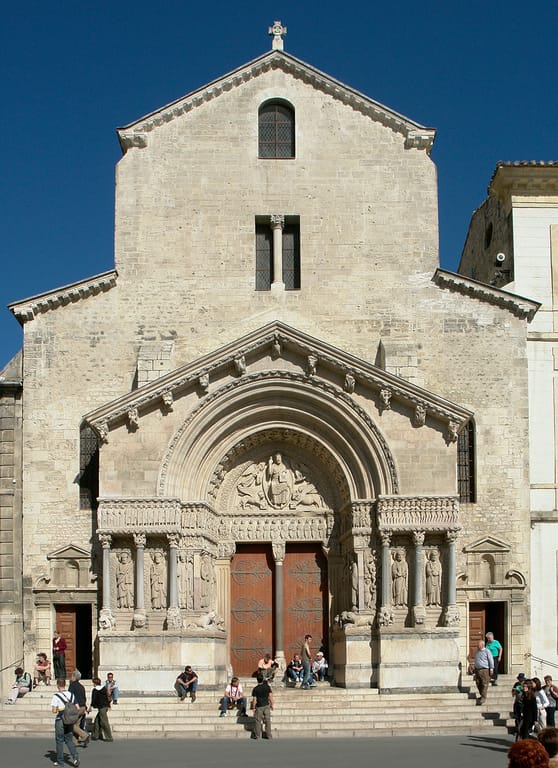
AI contentOn the Place de la République, the portal of this former Romanesque cathedral, carved around 1180, unfolds a Last Judgement. Frederick Barbarossa was crowned here in 1178, and the neighbouring cloister combines Romanesque galleries with Gothic wings. Take time to study its capitals, where the stone tells biblical scenes and the lives of the saints.
The night — Booking, Park4night or Airbnb
Day 3 L'Isle-sur-la-Sorgue → Gordes 4 stops · 117 km · ≈ 2h01

06 Village
L'Isle-sur-la-Sorgue
L'Isle-sur-la-Sorgue (84800) · 83 km · 1h09
AI contentBorn of the Sorgue splitting into many branches, the town stands on islands, near the spring of Fontaine-de-Vaucluse. Along the quays, watch old moss-covered waterwheels turning in clear water. Antique dealers and second-hand traders have made this Venice of the Comtat one of their meeting places in Provence.
07 Lake
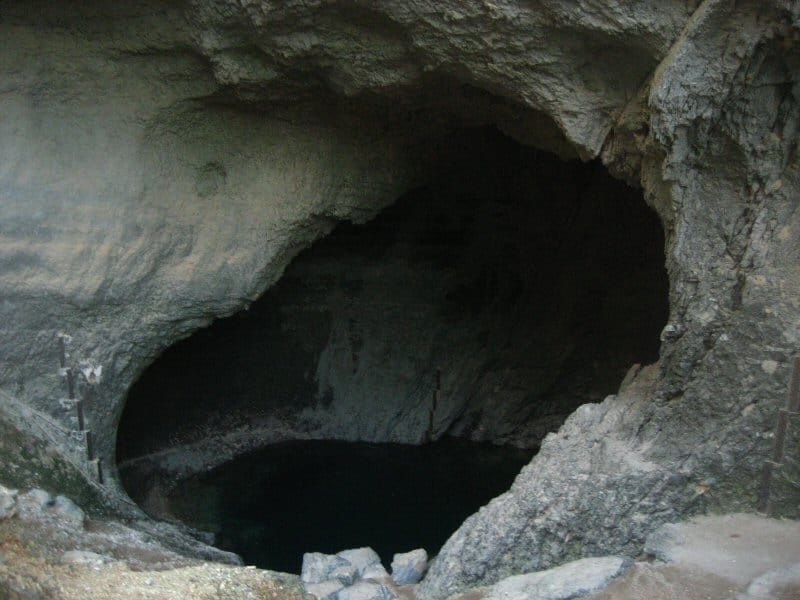
Fontaine de Vaucluse
Fontaine-de-Vaucluse (84800) · 9 km · 18 min
AI contentAt the foot of a 230-metre limestone cliff gushes the source of the Sorgue, the most powerful resurgence in metropolitan France. Ancient coins thrown as offerings have been found here, from the first century BC to the fifth century AD. Look up at the fissured rock face from which the river springs: the chasm has been off limits since May 2025.
08 Abbey
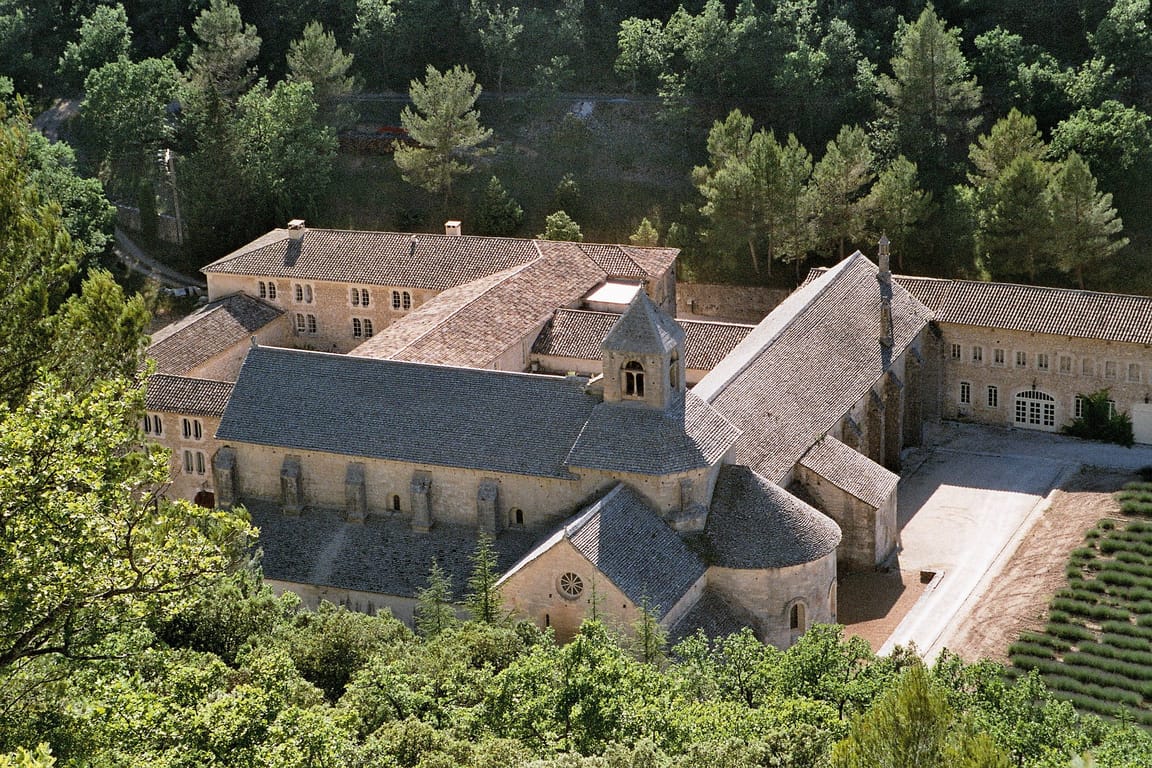
Sénanque Abbey
Abbaye Notre-Dame de Sénanque
Gordes (84220) · 15 km · 21 min
AI contentGlimpse the abbey at the bottom of the Sénancole valley, with its stone-slab roofs set on a Romanesque limestone church. Founded in 1148 by monks from Mazan, it is still home to a small Cistercian community. In front of its façade, the rows of lavender form one of the most famous images of Provence.
09 Village
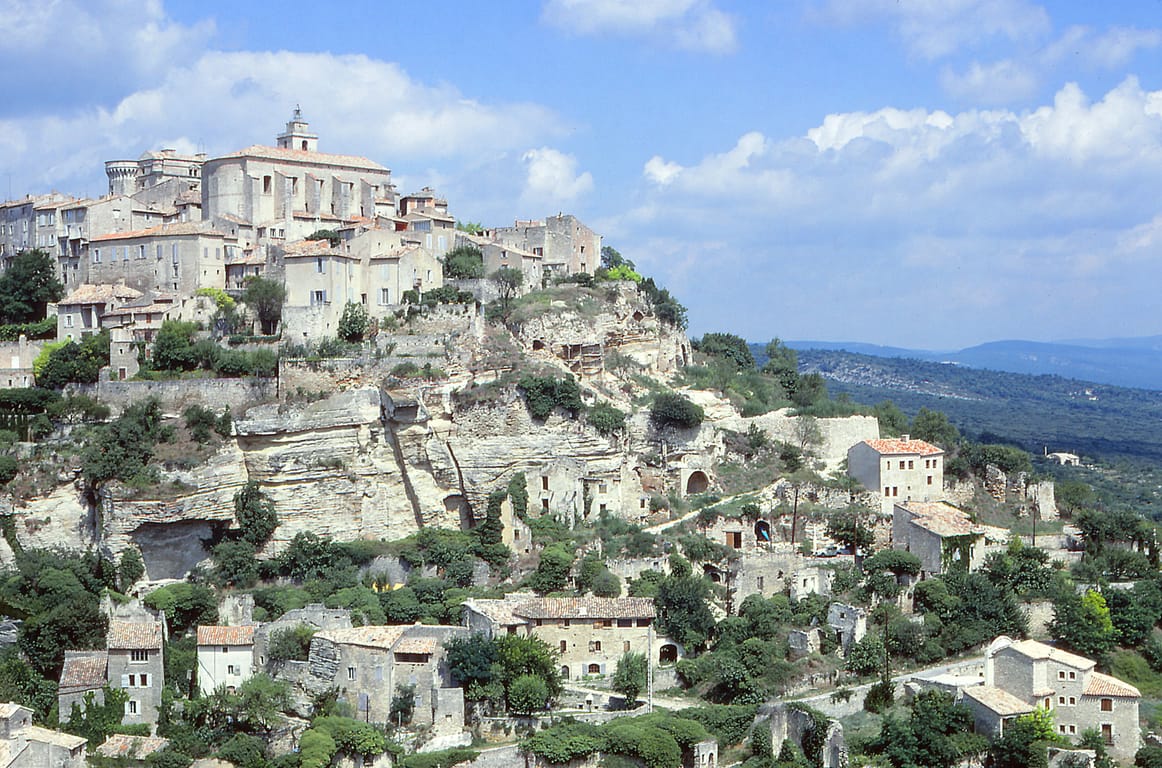
Gordes
Gordes (84220) · 10 km · 13 min
AI contentClinging to a limestone spur of the Monts de Vaucluse, Gordes stands one hundred and twenty metres above the Calavon plain, facing the Luberon. The village climbs up to the château that crowns it, and the commune counts several hundred bories. From the road below, you can see the whole village rising as one block.
The night — Booking, Park4night or Airbnb
Day 4 Roussillon → Bonnieux 3 stops · 56 km · ≈ 1h17
10 Village
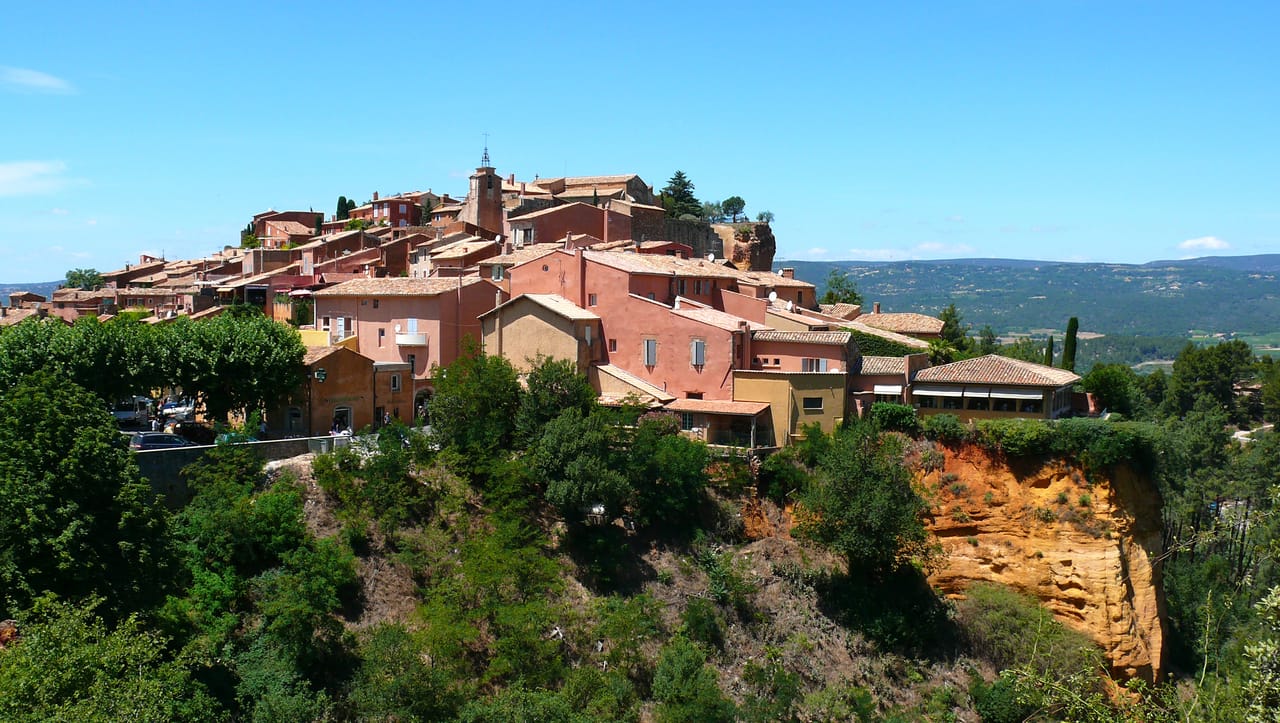
Roussillon, Vaucluse
Roussillon
Roussillon (84220) · 10 km · 14 min
AI contentWatch Roussillon blaze red and orange, its façades painted in the colours of the ochre that surfaces all around. Dug from the late eighteenth century, its quarries employed a thousand workers until 1930. The ochres are now protected and taking away even a handful is forbidden.

11 Nature
Colorado provençal
Rustrel (84400) · 22 km · 28 min
AI contentFollow the waymarked paths through the former quarries of Rustrel, where ochre was extracted from the late 17th century until 1992. Cliffs, fairy chimneys and cirques display a palette from bright yellow to deep red, against the green of the trees and the white of the limestone. The settling basins recall how the sand gave up its pigment.

12 Village
Bonnieux
Bonnieux (84480) · 24 km · 35 min
AI contentClimb the steep lanes of this village perched on the northern slope of the Luberon, facing Lacoste. From its heights, the view stretches towards the Petit Luberon and, beyond, towards the Monts de Vaucluse and their plateaus. On its north side, Bonnieux also guards the way into the combe, the only pass that crosses the Luberon massif from one side to the other.
The night — Booking, Park4night or Airbnb
Day 5 Lourmarin → Moustiers-Sainte-Marie 3 stops · 114 km · ≈ 2h
13 Village
Lourmarin
Lourmarin (84160) · 12 km · 15 min
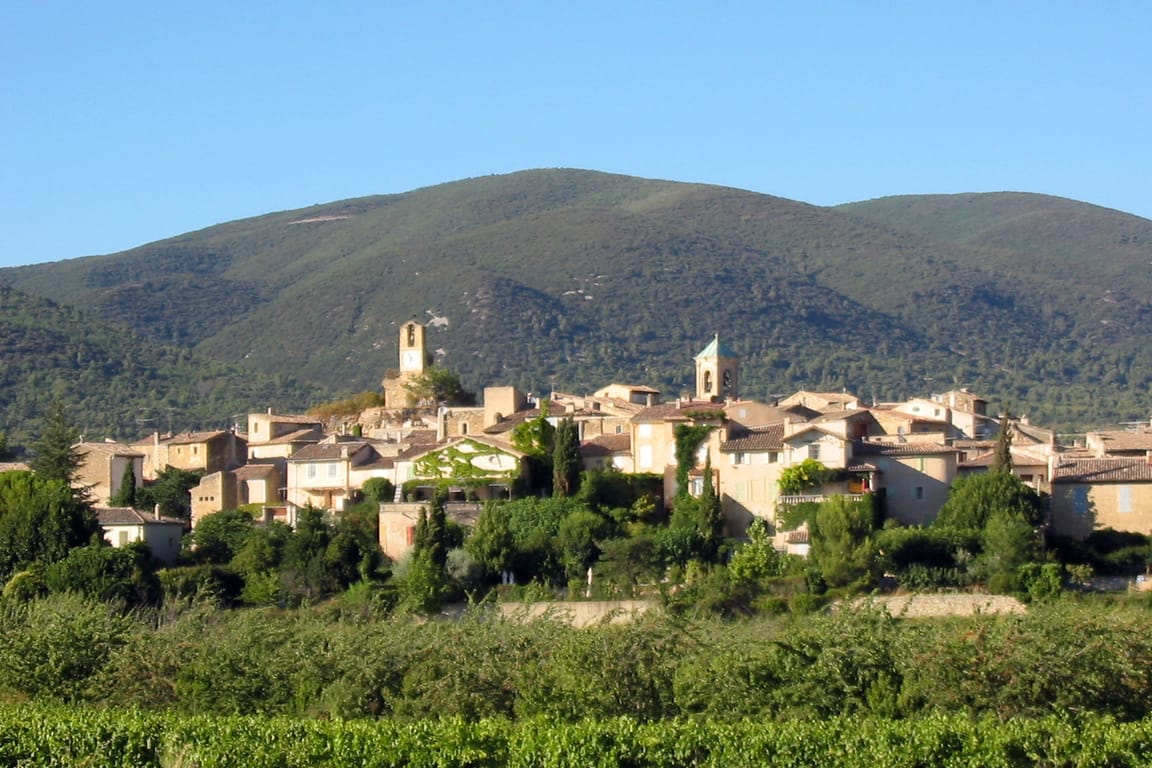
AI contentComing from Bonnieux, you reach Lourmarin through the combe carved by the Aigue Brun, a passage between the two massifs of the Luberon. Olive groves, vines and fields of lavandin then accompany the approach to the village and its Renaissance château. Albert Camus spent his last years here and lies in the village cemetery.
14 Mountain
Plateau de Valensole
Allemagne-en-Provence (04500) · 83 km · 1h19
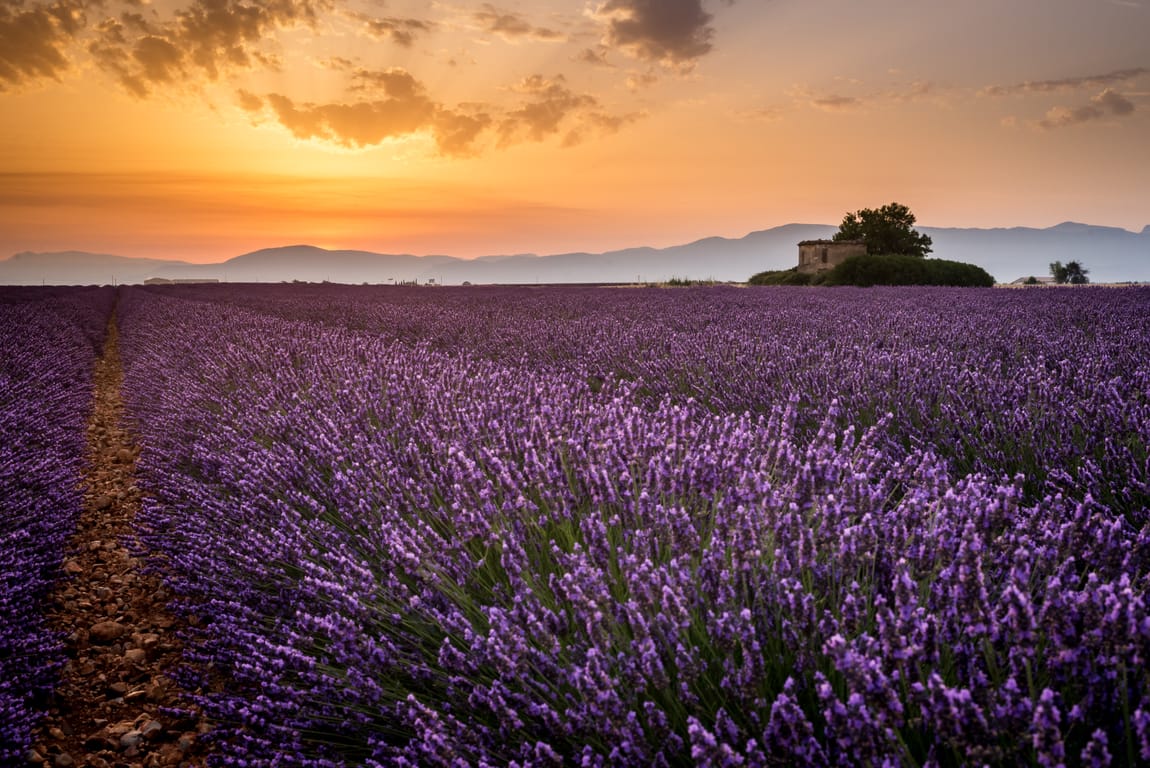
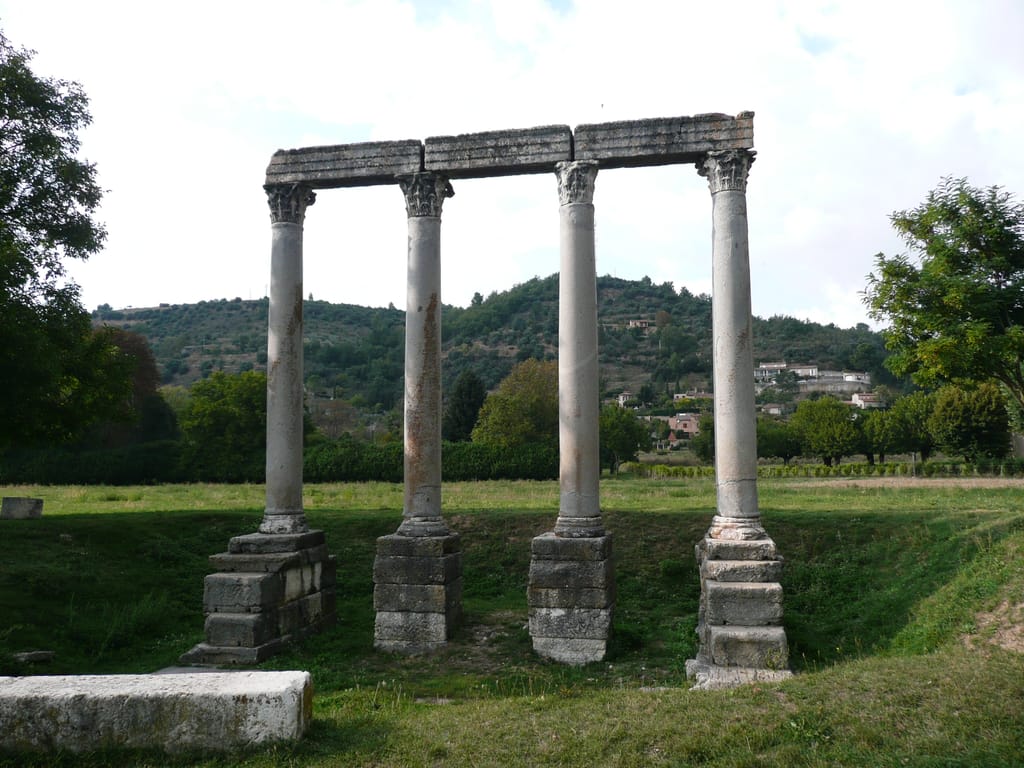
AI contentDrive unhurriedly across the Valensole plateau, a vast 800-square-kilometre tableland between the Durance, the Asse and the Verdon. Lavandin has replaced the almond trees and truffle oaks of former times, and its rows bloom in June and July. At Riez, four columns of a temple still stand in a meadow.
15 Village
Moustiers-Sainte-Marie
Moustiers-Sainte-Marie (04360) · 19 km · 26 min
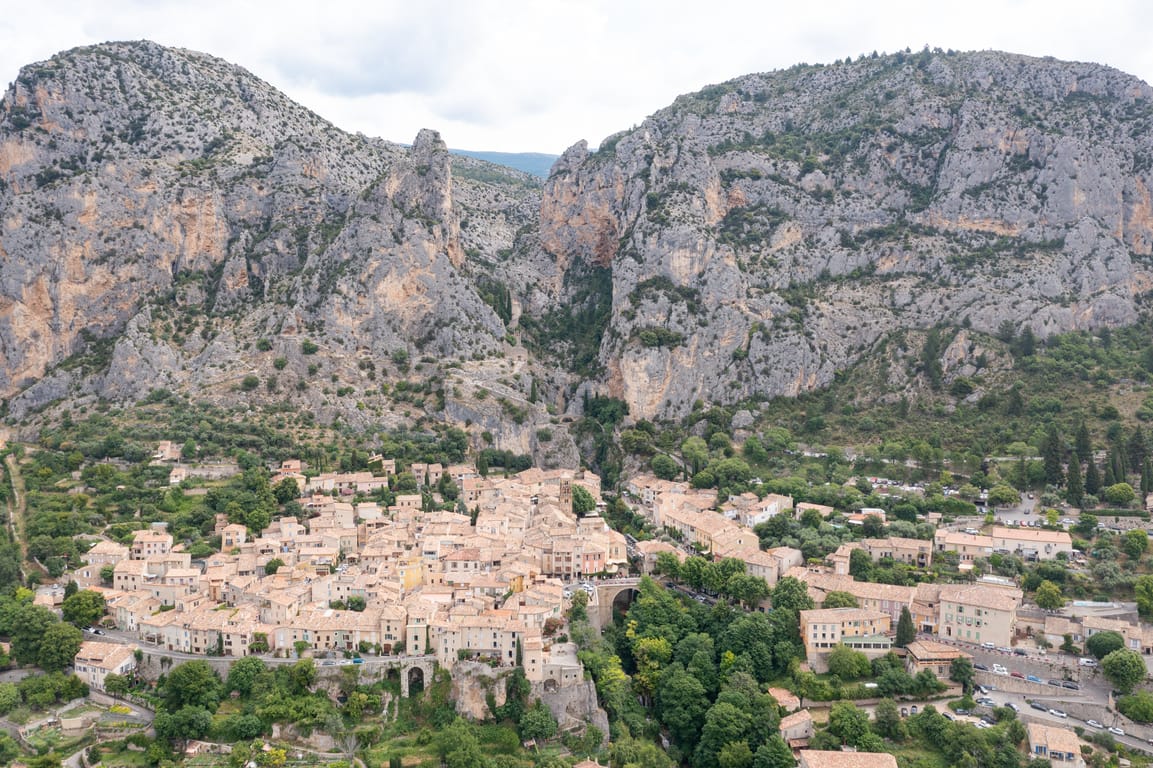
AI contentNestled against an escarpment, the village rises in tiers beneath a cliff where a star hangs suspended over the void. Look for the star from the lanes, as torrents tumble down the rock in waterfalls. Downstream of the Verdon canyon, in a valley opening onto the Lac de Sainte-Croix, Moustiers remains famous for its faience.
The night — Booking, Park4night or Airbnb
Day 6 La Palud-sur-Verdon → Les Salles-sur-Verdon 4 stops · 103 km · ≈ 2h14
16 Gorge
Verdon Gorge
Gorges du Verdon
La Palud-sur-Verdon (04120) · 31 km · 36 min
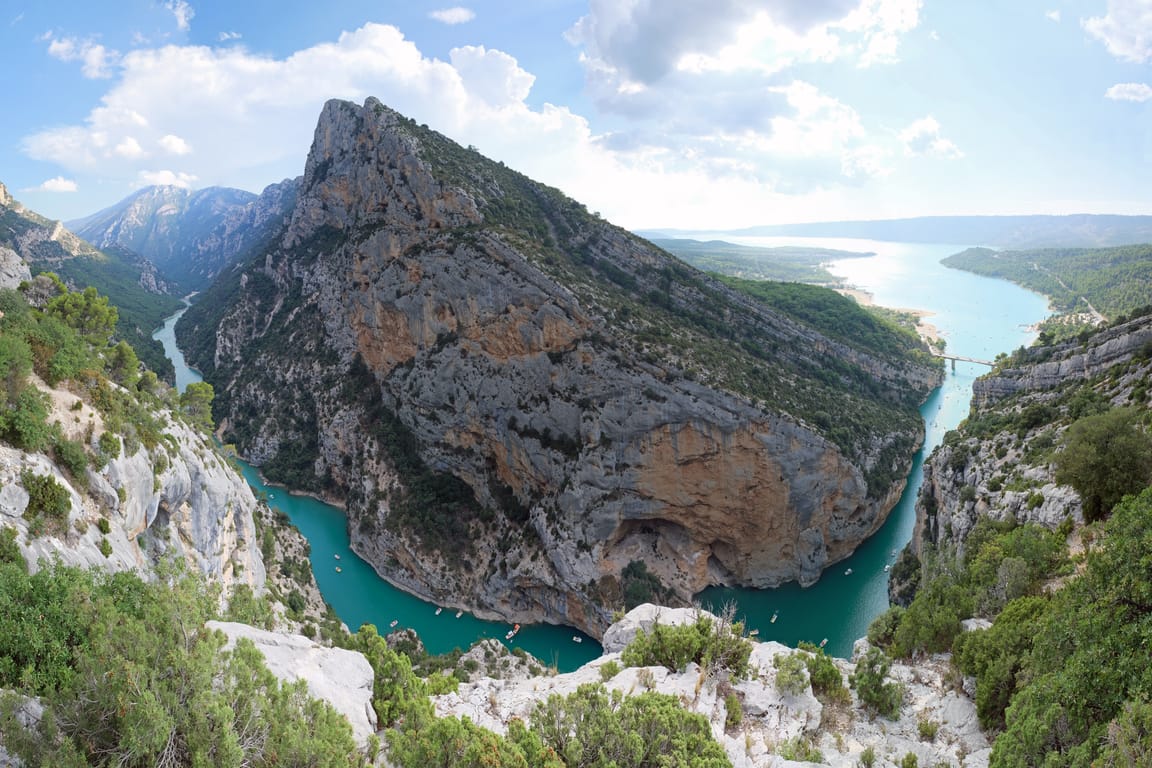
AI contentOver 25 kilometres, the Verdon has carved a canyon up to 700 metres deep in places, between the limestone cliffs of the Préalpes de Castellane and de Digne. Follow the Route des Crêtes or the Corniche Sublime, from viewpoint to viewpoint, above jade-green water. The use of the word canyon for them comes from Édouard-Alfred Martel, who went down the gorges.
17 Viewpoint
Point Sublime
Rougon (04120) · 21 km · 28 min
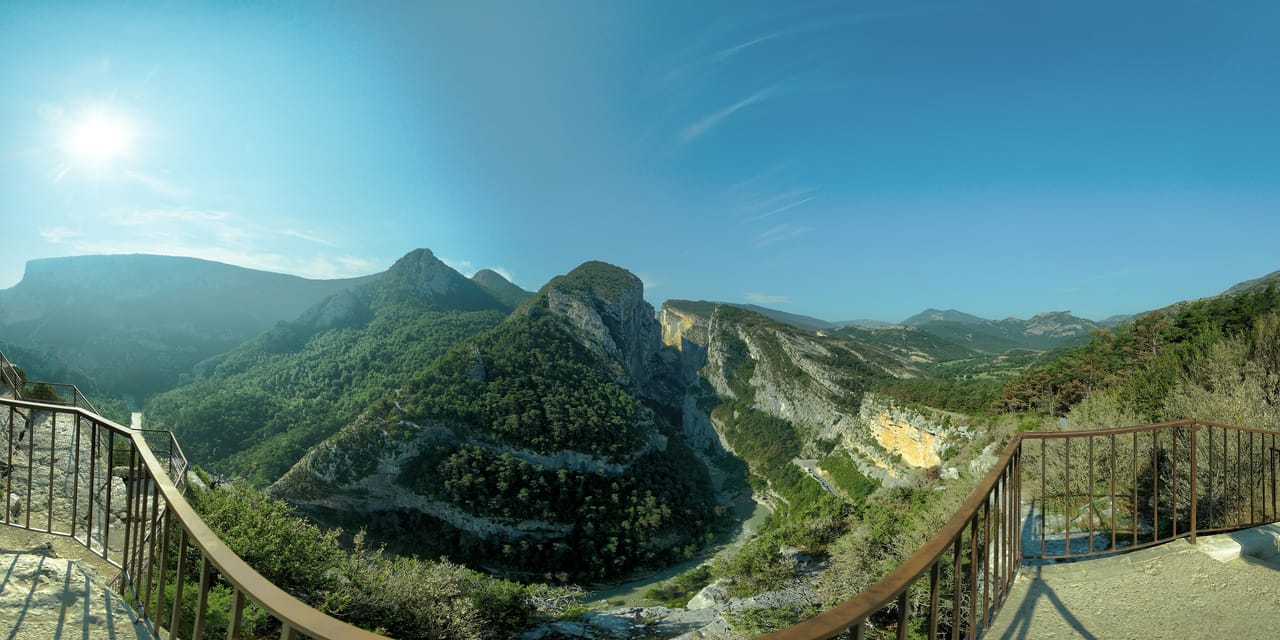
AI contentBelow the hilltop village of Rougon, this viewpoint on the right bank opens a plunging view into the entrance of the Grand Canyon du Verdon. Follow the short path from the road and let your gaze drop down the limestone walls. Far below, the river is no more than a thin green thread.
18 Castle
Château d'Aiguines
Aiguines (83630) · 38 km · 45 min
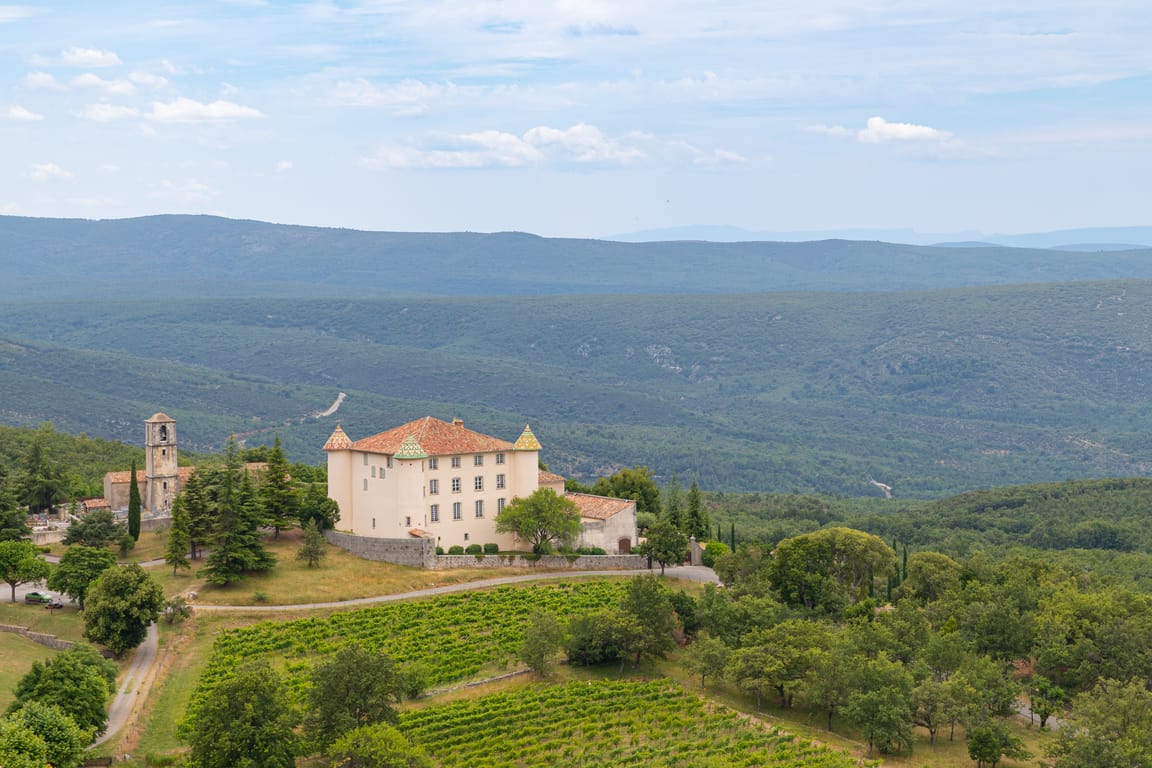
AI contentAbove the Lac de Sainte-Croix, the Château d'Aiguines raises its towers topped with brightly coloured glazed tiles. Admire it from the outside, as this residence rebuilt between 1596 and 1641 remains private property. Its buildings rest on the foundations of an older castle that belonged to the Blacas family.
19 Lake
Lake of Sainte-Croix
Lac de Sainte-Croix
Les Salles-sur-Verdon (83630) · 13 km · 25 min
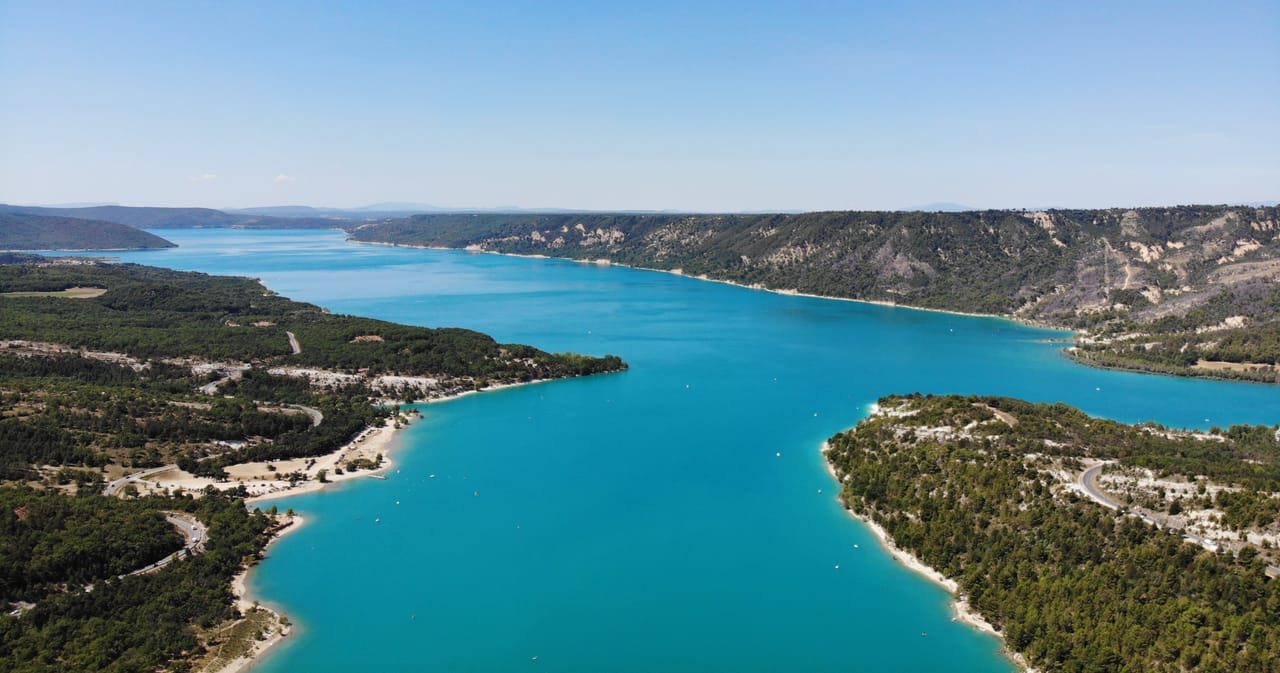
AI contentFilled by EDF in 1973, the Lac de Sainte-Croix swallowed the old village of Les Salles-sur-Verdon, replaced by a new one. Take time to follow its shores where the Verdon Gorge opens out, where only sailing boats and electric motors ripple the water. Nearby, the Valensole plateau is given over to lavandin.
The night — Booking, Park4night or Airbnb
Day 7 Riez → Avignon 2 stops · 185 km · ≈ 3h02
20 Archaeology
Colonnes romaines
Riez (04500) · 39 km · 50 min
AI contentYou'll spot them at the entrance to Riez: four monolithic columns of grey granite, standing in place since Antiquity. Their Corinthian capitals of white marble still carry a limestone architrave. They formed the portico of a temple from the late 1st century, whose foundations were uncovered by excavations in 1963.
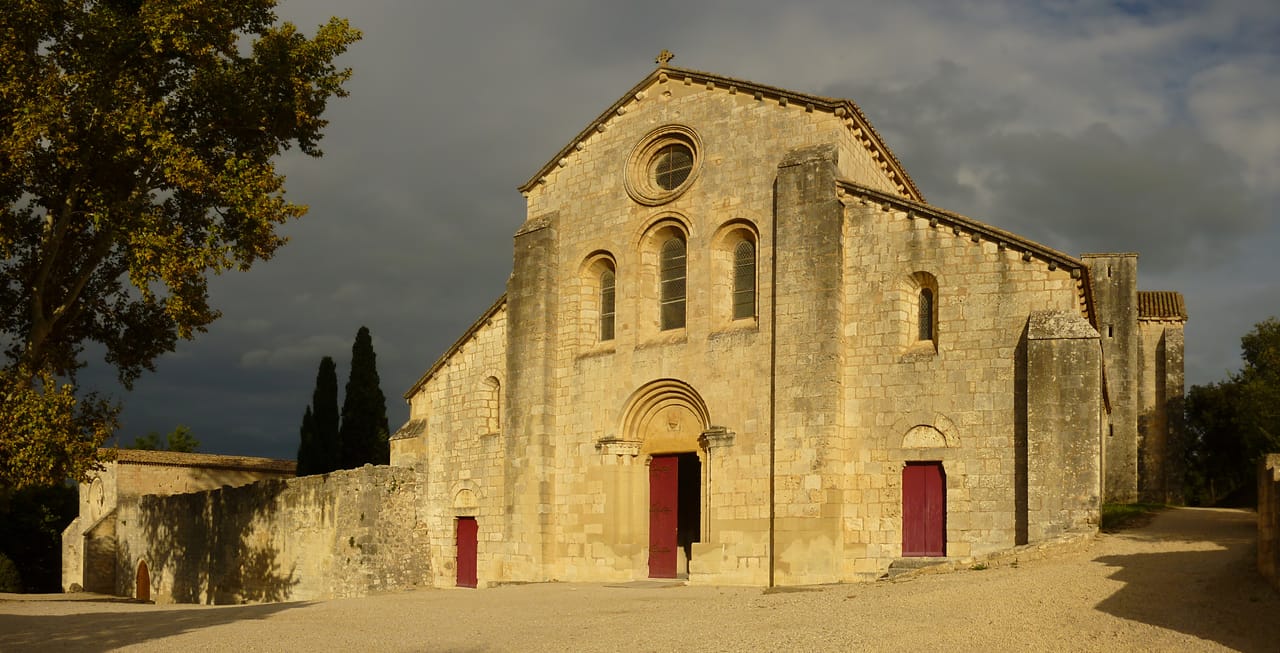
21 Abbey
Silvacane Abbey
Abbaye de Silvacane
La Roque-d'Anthéron (13640) · 83 km · 1h15
AI contentOn the banks of the Durance, Silvacane is the only one of the three Cistercian sisters of Provence, with Sénanque and Le Thoronet, to which no community has returned. Its church, built between 1175 and 1230, moves from Romanesque to Gothic beneath vaults of great austerity. Take the time to watch the light come in through the rose window of the flat chevet.
Back to Avignon · 63 km · 57 min